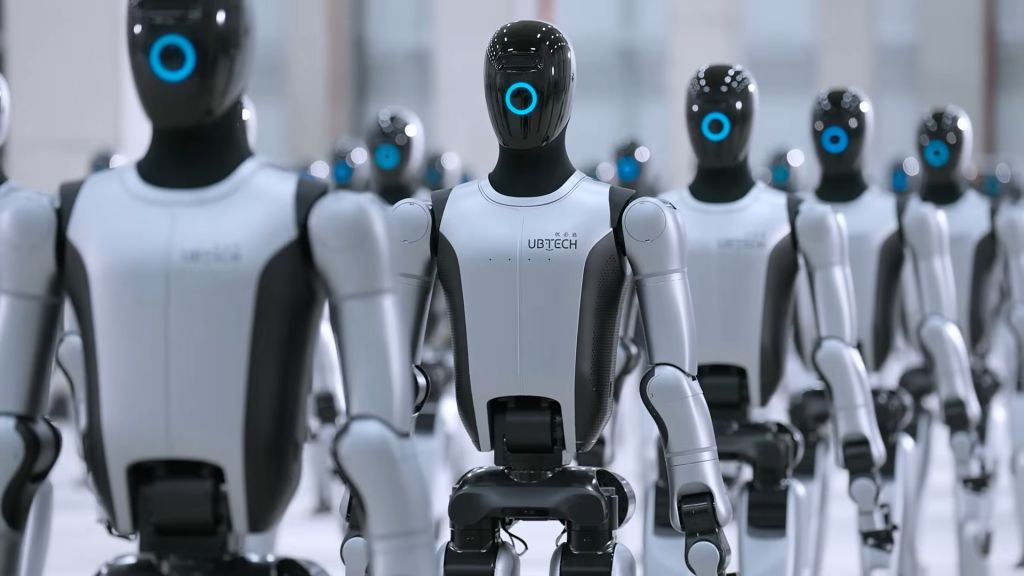
I wanted to expand on my theory of a third technology revolution.
The first technological revolution was the mainframe. It automated core administrative processing between back and front office. It is the infrastructure that built SWIFT, Visa and MasterCard. It’s the core platform of most banks, with almost half of them running on COBOL mainframe systems built in the 1970s or earlier.
Some would say we then had a second revolution when client-server and desktop computing came around, but I would claim that the second revolution culminated in smartphone connectivity and cloud computing.
This was in the late 2000s and allowed us to completely transform operations for 24/7 connectivity. The focus was no longer on automation but experience. How could we build digital connectivity that gave customers an experience that was far better than the physical experience.
In other words, the digital revolution was no longer about cost-effectiveness – the mainframe era – but about the customer process – the digital era. This was a radical change, launching everything from fintech to APIs to open banking and more.
That’s been the last two decades.
Now, we enter the third era of significant technology change: the intelligence revolution. The question for all of us is: what is intelligence? Is it where agentic AI thinks for us; is it where my bot is more intelligent than your bot; is it where I have a physical robot who can manage my money and life for me; or is it just life augmented with technological augmentation?
Personally, as someone focused on the future, I believe we are very near to the I, Robot vision:
The movie I, Robot is based on Isaac Asimov's 1950 short story collection of the same name, and has a clear message of instructions as to how robots should work:
- A robot may not injure a human being or, through inaction, allow a human being to come to harm.
- A robot must obey orders given it by human beings except where such orders would conflict with the First Law.
- A robot must protect its own existence as long as such protection does not conflict with the First or Second Law.
His amazing vision 75 years ago is now our reality.
We have robots – not all of them functional (checkout this clip of the recent launch of a Russian robot) …
… but the clearest thing is that we are entering the intelligence age of intelligent agentic AI, AGI and soon the singularity. Equally, we need to be keeping clarity that some of this is purely digital (bots) and physical (robots).
In summary, we have gone from automating administrative processes (last century) to digitalising services (this century) to delivering and delegating all of our lifestyle needs to systems (today).
Three revolutions: mainframe; digital; intelligence.
What’s the next one?
Chris M Skinner
Chris Skinner is best known as an independent commentator on the financial markets through his blog, TheFinanser.com, as author of the bestselling book Digital Bank, and Chair of the European networking forum the Financial Services Club. He has been voted one of the most influential people in banking by The Financial Brand (as well as one of the best blogs), a FinTech Titan (Next Bank), one of the Fintech Leaders you need to follow (City AM, Deluxe and Jax Finance), as well as one of the Top 40 most influential people in financial technology by the Wall Street Journal's Financial News. To learn more click here...