Digital Bank

Do we need a digital euro?

The European Central Bank is moving the digital euro from policy discussion towards implementation. Its latest Digital Euro Scheme Rulebook goes deep into how the system would work, covering everything from customer journeys and APIs to merchant acceptance, fraud, disputes, settlement, security and certification. What is emerging looks less like another CBDC experiment and more…

I2I not AI

Every week another bank announces another branch closure but they forget that trust is built eye-to-eye, not on AI. The justification is always the same. Customers have gone digital. Mobile banking has replaced the high street. Artificial intelligence can answer questions twenty-four hours a day. Why pay for buildings when software is cheaper? On paper,…

The SWOT of AI in banking

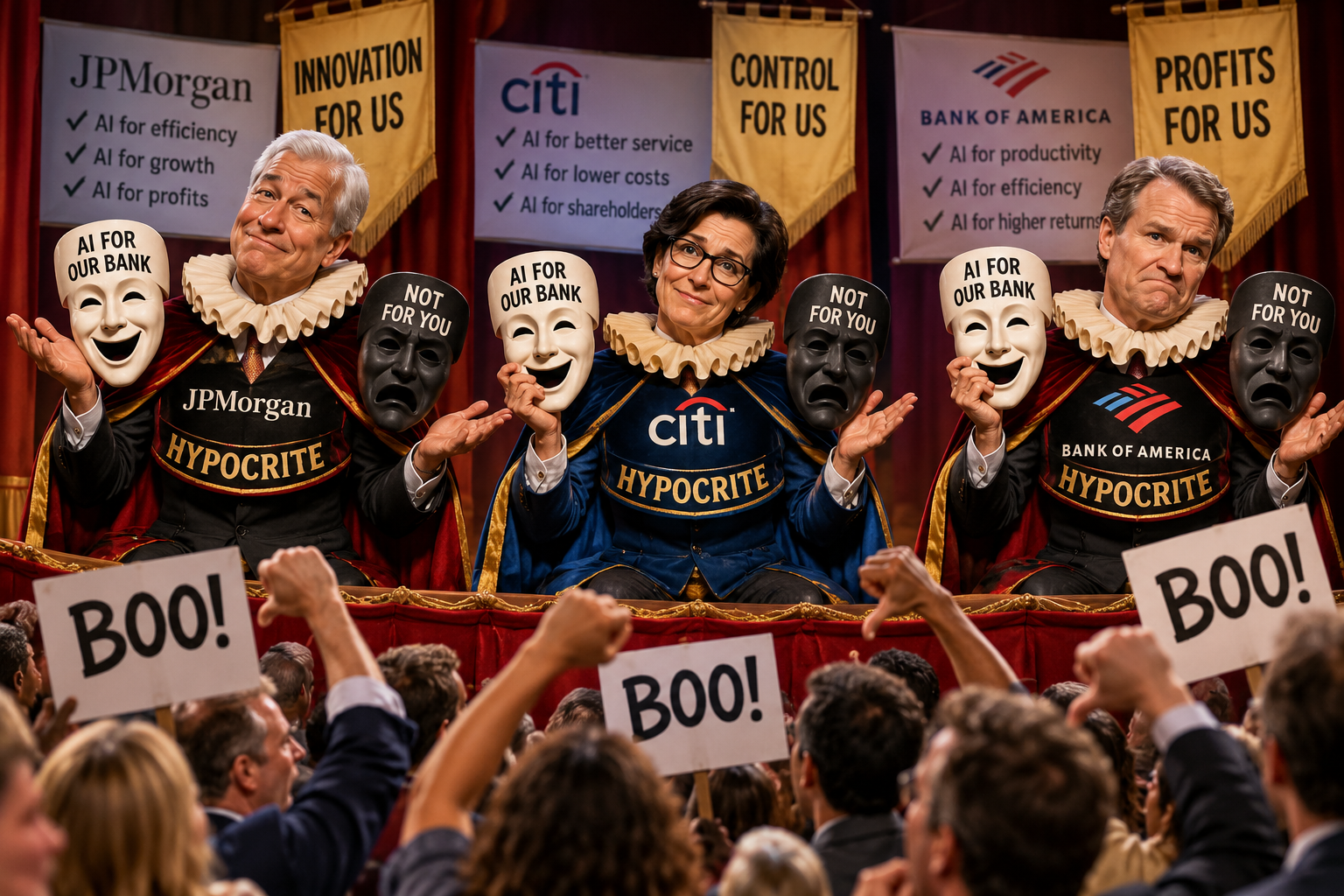
I was sitting this morning and thinking about how fantastic Agentic AI, autonomous commerce and programmable money is. It is the focus of my next Pulp Finction book Birth of a Unicorn being released in December. The thing is that there is a wonderful problem with artificial intelligence in banking: almost everyone agrees it is…

The Finanser’s Week: August 10th – 16th August 2026

This week’s main blog discussions include … Crypto wanted to get rid of banks. Now they are banks. When Bitcoin launched in 2008, the whole idea was to get rid of banks and intermediaries. In 2026, they’ve learned the lesson I learnt years ago. That’s how the world works. You need intermediaries. The whole idea…

Fintech isn’t disrupting banking … it’s eating it

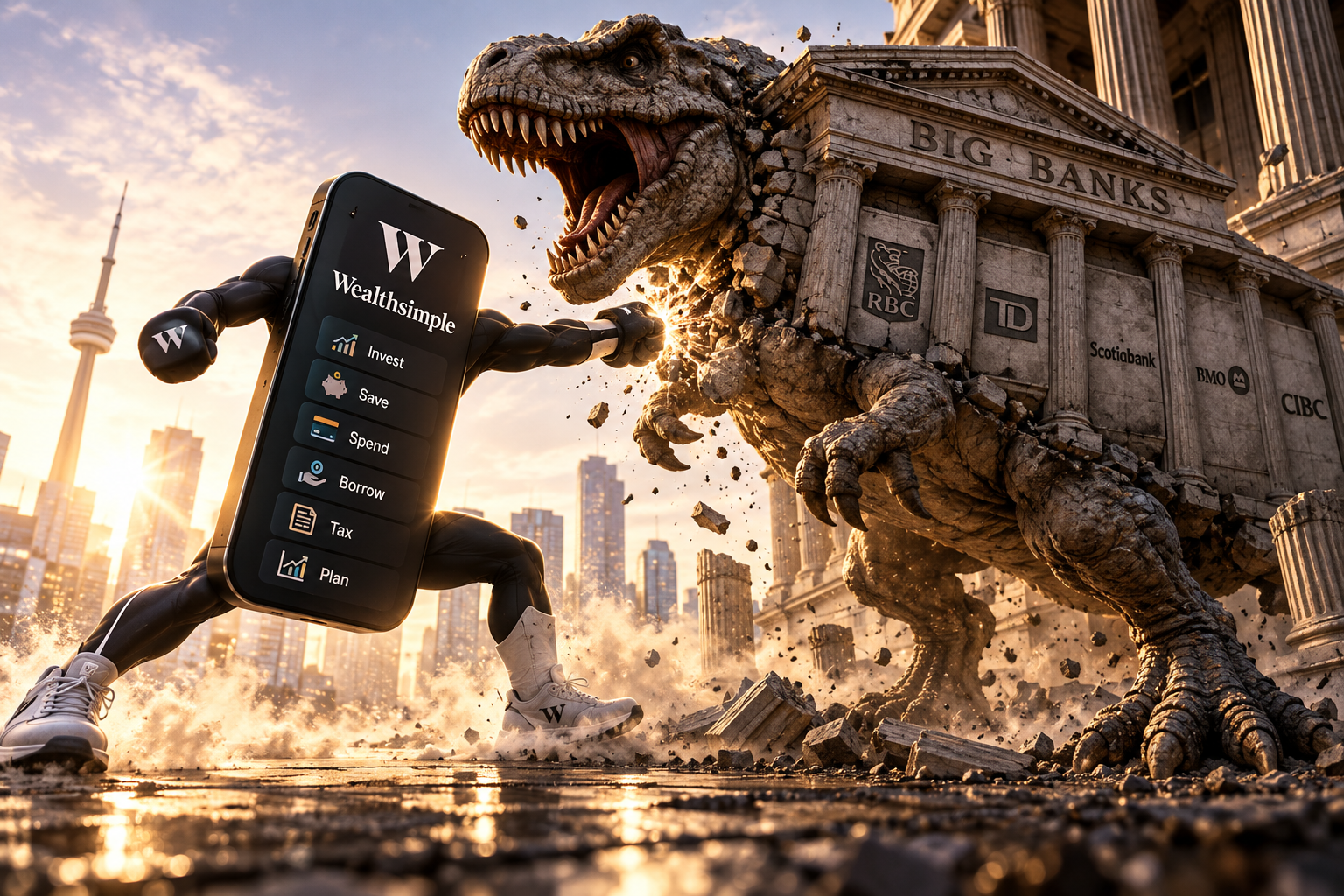
Something interesting is happening in fintech, and I think we may need to stop talking about fintech as though it is an industry sitting somewhere alongside banking. For most of the past twenty years, that distinction made sense because there were banks and there were fintech companies trying to disrupt particular parts of what banks…

Are tech firms now running our financial systems?

For years, banks have worried about technology companies eating their lunch. Fintech would destroy banking. BigTech would become banking. Digital wallets would disintermediate banks. Cryptocurrencies would replace banks. Stablecoins would replace deposits. Decentralised finance would replace everything. None of that quite happened. Now we have artificial intelligence and, this time, there may be a very…

The new global money stack

For decades, the architecture of money was reasonably easy to understand. Banks held the money, central banks sat at the heart of national monetary systems, card networks connected merchants and consumers, and SWIFT connected banks across borders. It was complicated behind the scenes, but the basic structure had been remarkably stable for years. Then the…

Innovators, Imitators and Idiots

Warren Buffett observed years ago that every market eventually sorts itself into three groups: innovators, imitators and idiots. It is deliberately unfair but, like most good aphorisms, it contains more than a grain of truth. The innovators invent something genuinely new. The imitators wait until the innovators have proved there is money to be made and…

How cryptocurrency is developing into trust infrastructure

You’ve been thinking about cryptocurrencies all wrong. Every few months someone declares that cryptocurrency is dead. In fact, there’s a website dedicated to recording every one of those predictions. The latest panic is bitcoin’s price falling below $65,000 and Coinbase reporting weaker revenues. A few months earlier everyone was predicting Bitcoin would hit $200,000. Before…

The two faces of inclusion

One person in seven has no access to formal financial services. One person in six lives with a disability. We normally think of these as two separate inclusion challenges. They are not. They are the same problem. Financial systems were designed around a single type of customer, leaving millions of others behind. For decades, financial…