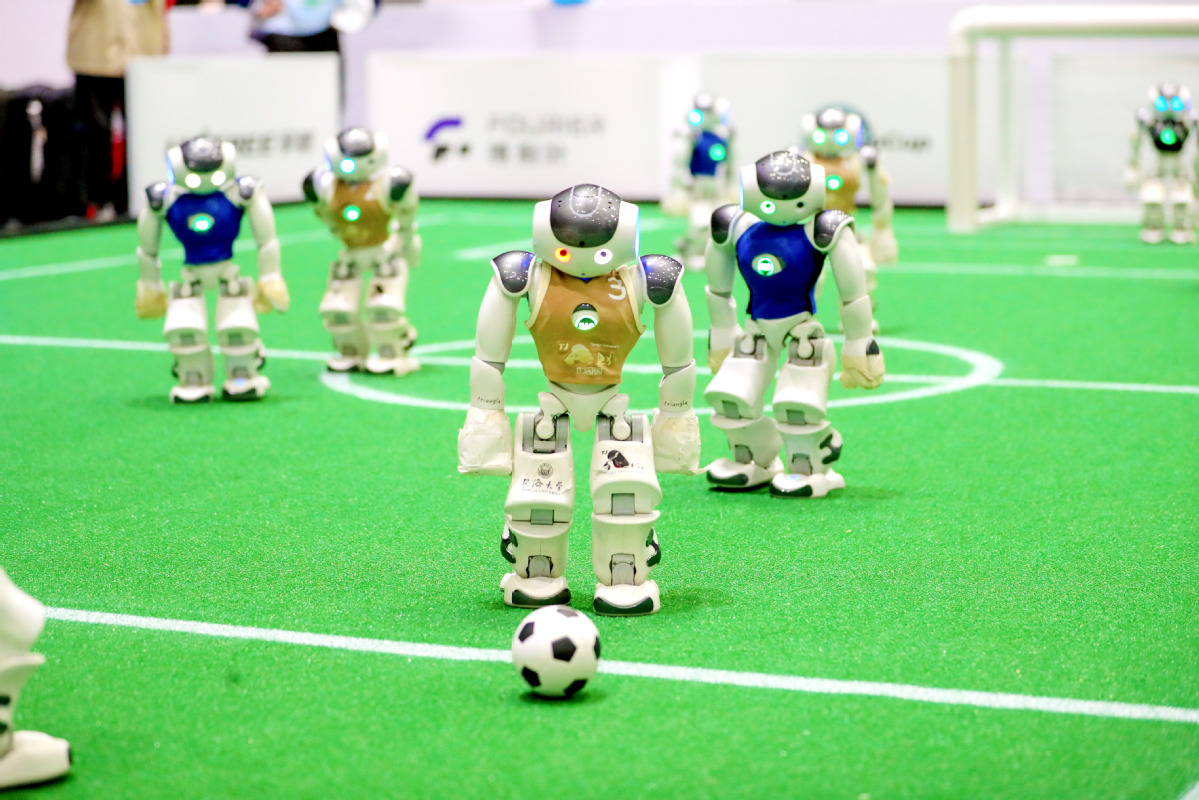
For all the hype of AI, I was watching the Champions League football matches, where thousands of people gathered, and thought: well, that’s one thing AI can never replace. Of course, you could have virtual reality matches that look almost real, but they’re not. Similarly, you could have robot matches, but would we really care?
There will always be sports if you want a future career. AI cannot do sports, although we may be watching Robot wars in a decade or two.
Then I thought that AI cannot do relationships, because we relate to one another. I can see AI taking over as your psychotherapist but you cannot replace a human with AI for real support. AI can seem real, but human contact is still important even with the best simulators.
If a job requires trust, accountability, empathy, creativity, or moral judgment—humans stay.
The sentence above came from ChatGPT when I asked what roles AI could not replace because it needs a human. The reply was fascinating, and expanded in some depth on the areas where we will always need a human contact. These are:
Human-Centred & Emotional Work
Examples
- Therapists & counsellors
- Nurses & caregivers
- Teachers (especially early childhood & special education)
- Social workers
Why AI can’t replace them
- Trust, empathy, moral judgment, and emotional presence
- Reading subtle human cues (fear, shame, motivation)
- Ethical responsibility for human well-being
AI may assist (notes, diagnostics, lesson planning), but humans remain the core.
Creative & Meaning-Making Roles
Examples
- Writers, directors, artists, designers
- Brand strategists & creative directors
- Cultural critics & storytellers
Why
- Humans create meaning, not just output
- Cultural intuition, taste, originality, lived experience
- Understanding why something matters, not just what works
AI can generate content, but humans decide what resonates and why.
Leadership, Ethics & Decision-Making
Examples
- Executives & entrepreneurs
- Judges & legal decision-makers
- Diplomats & negotiators
- Policy leaders
Why
- Accountability and moral responsibility
- Balancing competing human values
- Decisions under uncertainty with social consequences
AI can advise. Humans must own the consequences.
Skilled Physical & Adaptive Trades
Examples
- Electricians, plumbers, mechanics
- Construction supervisors
- Emergency responders
Why
- Unpredictable real-world environments
- Dexterity + situational judgment
- High cost of failure
Robots struggle outside controlled settings.
Relationship-Based Roles
Examples
- Sales (complex, high-trust deals)
- Coaches & mentors
- Community organizers
- Fundraisers
Why
- Trust, persuasion, and long-term relationships
- Emotional intelligence and reputation
People prefer people when trust and stakes are high.
Roles That Define “What Should Exist”
Examples
- Product managers
- Researchers & scientists
- Urban planners
Why
- Asking the right questions
- Defining goals, values, and priorities
- Navigating ambiguity
AI answers questions. Humans decide which questions matter.
The message from the machine is AI is not being developed to replace humans, but to augment them. AI is here to provide a tool to enhance judgment, empathy, creativity and leadership. As demonstrated, AI helps to give answers but not to replace those asking the questions.
Chris M Skinner
Chris Skinner is best known as an independent commentator on the financial markets through his blog, TheFinanser.com, as author of the bestselling book Digital Bank, and Chair of the European networking forum the Financial Services Club. He has been voted one of the most influential people in banking by The Financial Brand (as well as one of the best blogs), a FinTech Titan (Next Bank), one of the Fintech Leaders you need to follow (City AM, Deluxe and Jax Finance), as well as one of the Top 40 most influential people in financial technology by the Wall Street Journal's Financial News. To learn more click here...