Reading an interesting research report by Deutsche Bank about AI, where they are saying that we are entering the trough of disillusionment. The hype is over and reality is hitting hard. They enjoy playing with the idea of AI though, and call it:
- Disillusionment: beauty is in the AI of the beholder
- Dislocation: AI of the storm
- Distrust: AI can’t get no satisfaction
What do they mean by this?
First, disillusionment. The fact is that the benefits of AI are far more visible to Silicon Valley and to savvy early adopters than to the average chief executive who wants to see material revenue generation or systemic operational fixes.
The report compares using AI to replacing a horse with a tractor* and the challenge is that most companies don’t have the integration capacity or the high-quality data needed to use AI effectively. I agree with that.
Second, dislocation. There is a massive difference between the concepts of AI and the reality. The main reason is energy usage and the cost of high bandwidth memory. Equally, there are restrictions due to the lack of availability of engineers to limited grid capacity and restrictions on rare-earth elements.
Third, distrust. 2026 will see a massive rise over essential issues with AI from copyright to privacy, data centre location and protection of young people from chatbots encouraging self-harm or worse. Equally, anxiety around job displacement will be one of the biggest concerns.
It’s an interesting report and worthwhile read, but my reaction was: so what? It is clear we are on a path to an augmented intelligent future. It is clear that many of the jobs of today will no longer be required tomorrow. Does this mean that we stop investing, progressing, doing? Of course not. We move on.
The thing you need to remember is that the jobs of tomorrow may not be the jobs of today. Just as we moved from a horse to a tractor, we need people to maintain and fix and build the tractors. It’s exactly the same with AI. As we build tomorrow’s intelligence, we create jobs to maintain and fix and build that intelligence. They are different jobs and we get rid of lots of today’s jobs, but there will still be jobs to be done.
My favourite example is how often I sit in an Uber or Freenow taxi and wonder why there is a driver. When cars can self-drive me home, why do we need taxi drivers. There’s a whole industry lost. Equally, longer-term, the taxis could build and fix themselves using robots and AI. I always remember the story of a former Google engineer who believed that the future is where cars manage themselves.
Ten years ago, Mike Hearn predicted that cars that own themselves would be the most disruptive example of our future. I think he was right. How would it work?
His vision is that, once driverless cars become commonplace, most people won’t want or need to own a vehicle anymore and, in a world dominated by self-steering taxis, each ride becomes cheaper if the vehicles are autonomous rather than owned and run by major corporations.
To ensure the system would scale up to meet demand, Mr Hearn suggests something a bit odd: the cars could club together with any surplus earnings they had to pay factories to build more of them.
“After it rolls off the production line... the new car would compete in effect with the existing cars but would begin by giving a proportion of its profits to its parents. You can imagine it being a birth loan, and eventually it would pay off its debts and become a fully-fledged autonomous vehicle of its own.”
I loved this idea at the time, and still think it has legs. In other words, we are moving to an intelligent, autonomous, embedded future that is already rolling. Are you keeping up?
Postcript #1:
Harvard Business Review research indicates that generative AI often increases workloads rather than reducing them, leading to faster work paces, broader task scopes, and longer hours.
Postscript #2:
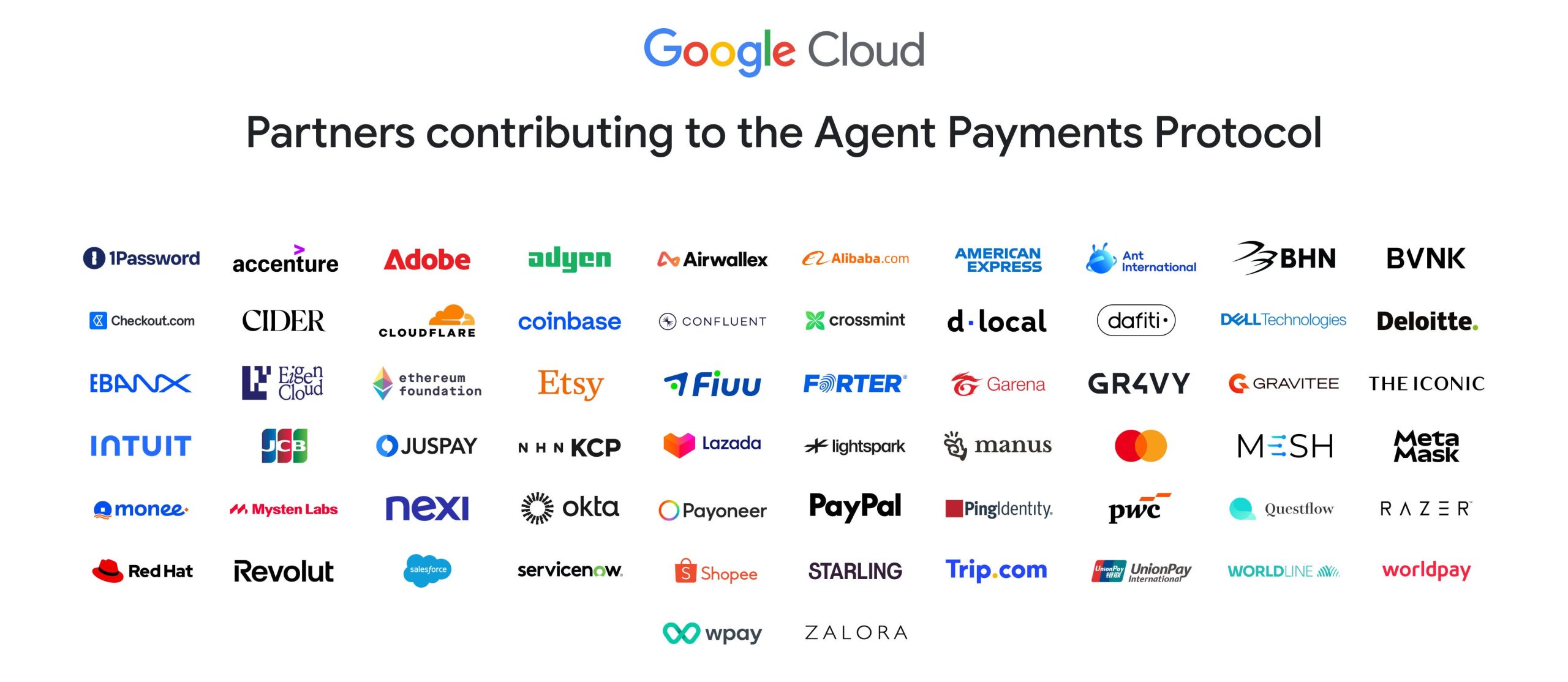
Just as I wrote this, I got an update from Dwayne Gefferie on the Payments Strategy for 2026. Well worth a read also.
Dwayne writes: “when you step back from the earnings calls and the press releases, a clear pattern emerges across JPMorgan, Global Payments, Worldpay, Fiserv, Adyen, Nexi, Worldline, and Getnet. Three strategic bets are being made simultaneously, by companies operating on different continents, with different business models, at different points in their growth cycles.
- The race to embed AI and agentic commerce into payment flows;
- Aggressive platform consolidation to lock in merchants; and
- A geographic reshuffling, with US players pushing into Europe while European players pull back to defend their home turf.
* Postscript #3:
Don’t underestimate how much the tractor changed farming. Tractors revolutionised farming by replacing animal labour with high-horsepower, internal combustion engines, dramatically increasing productivity, efficiency, and farm size. They enabled faster, deeper, and larger-scale cultivation,, reducing labour needs while allowing for more precise, technology-driven agriculture. It was a massive change, but it helped farmers become far more productive whilst labour moved to other industries … like banking.

Chris M Skinner
Chris Skinner is best known as an independent commentator on the financial markets through his blog, TheFinanser.com, as author of the bestselling book Digital Bank, and Chair of the European networking forum the Financial Services Club. He has been voted one of the most influential people in banking by The Financial Brand (as well as one of the best blogs), a FinTech Titan (Next Bank), one of the Fintech Leaders you need to follow (City AM, Deluxe and Jax Finance), as well as one of the Top 40 most influential people in financial technology by the Wall Street Journal's Financial News. To learn more click here...