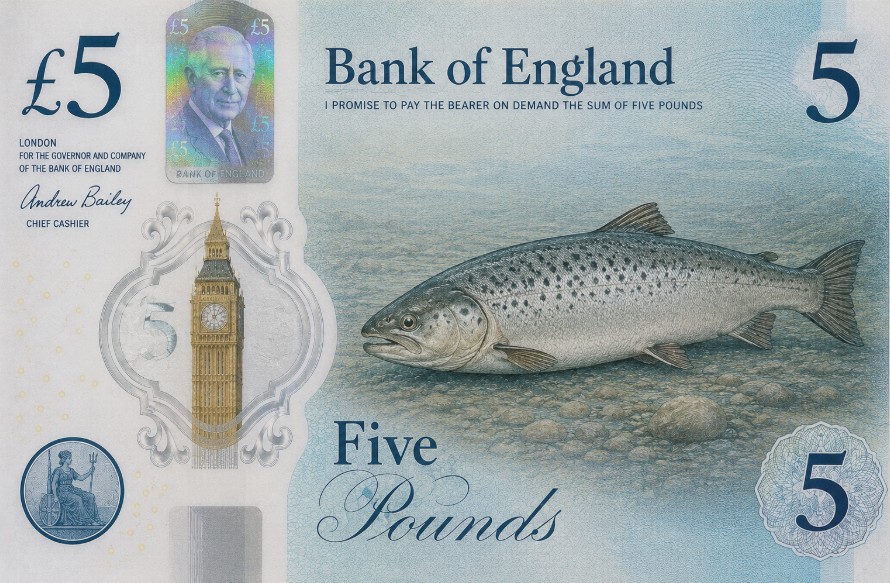
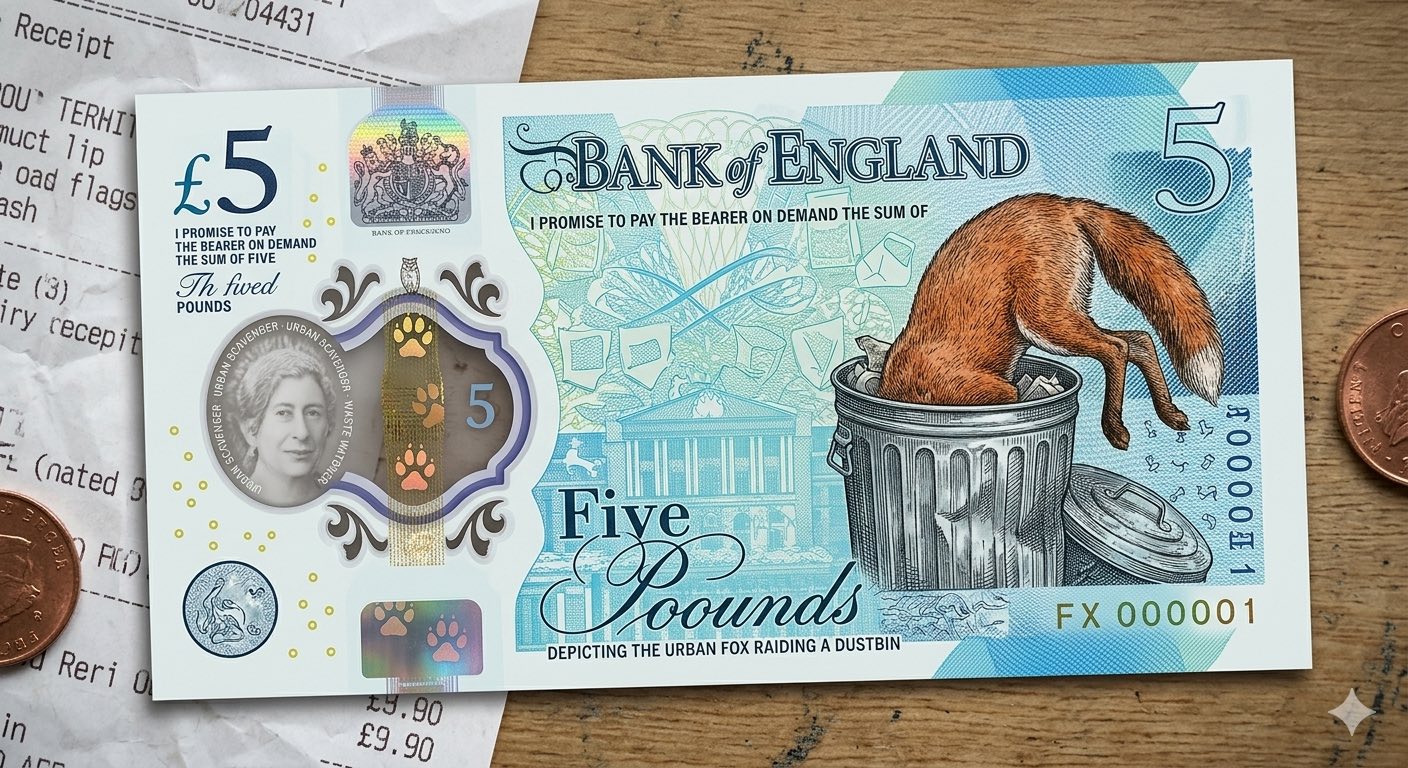
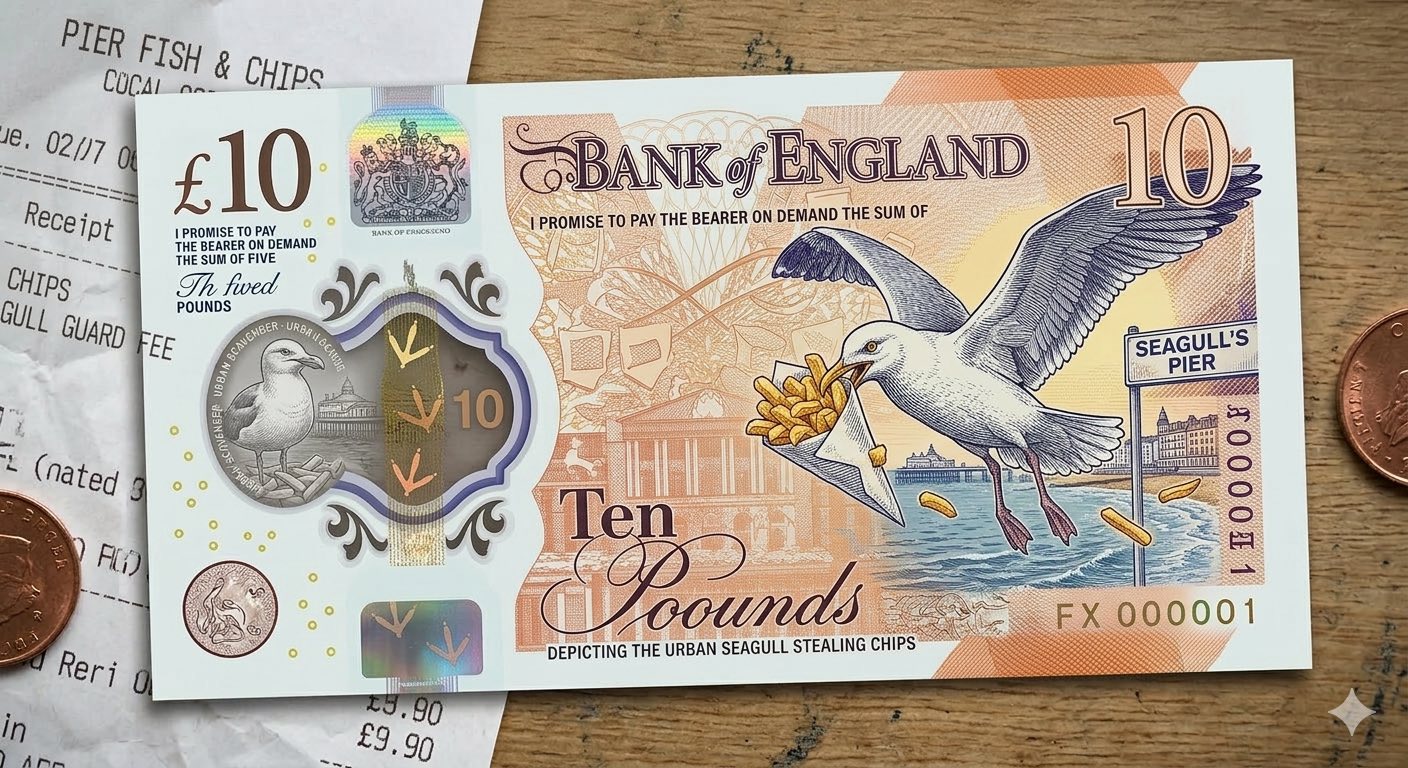
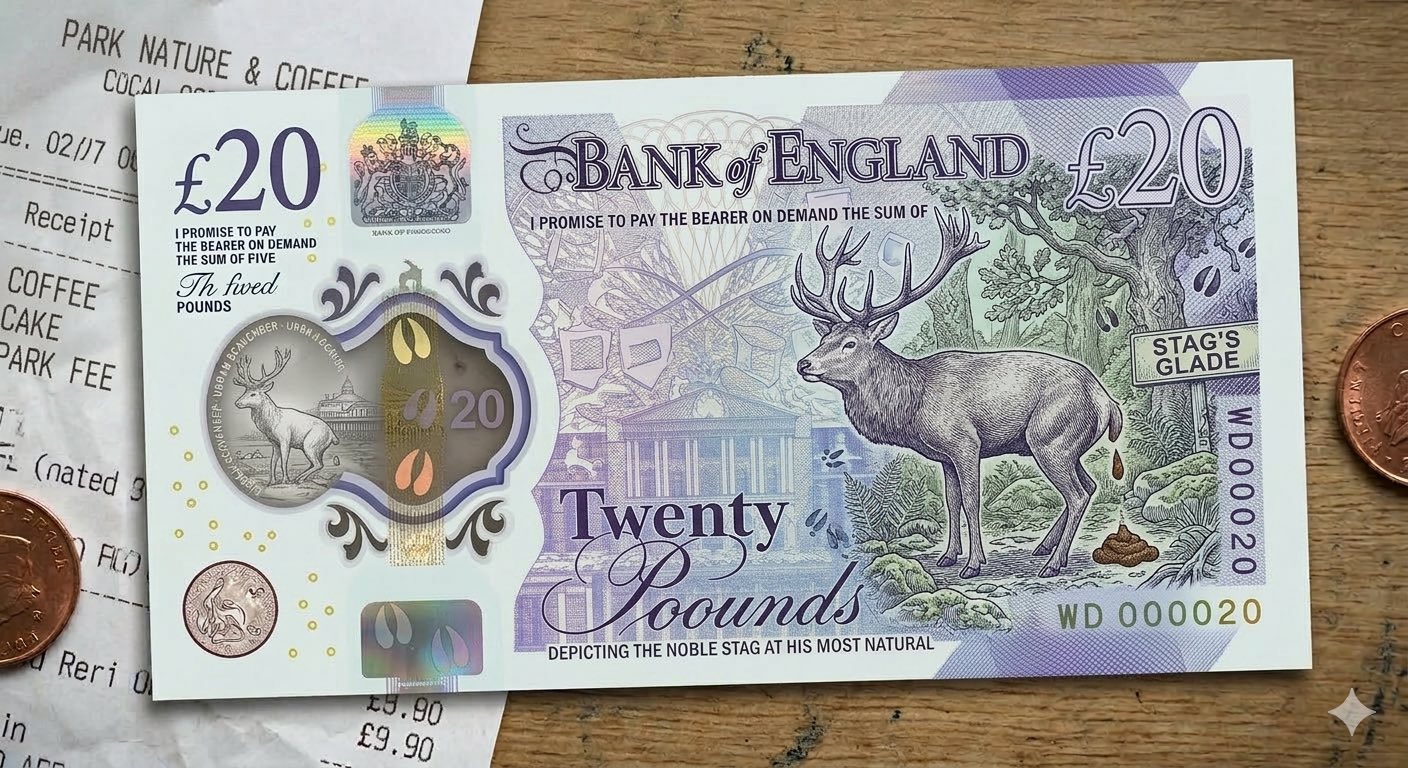
For those who follow my blog regularly you will know that I am a notaphilist or, if you prefer, someone who collects old banknotes. I can't help myself. As the Bank of England seeks to replace Winston Churchill with a fish ...
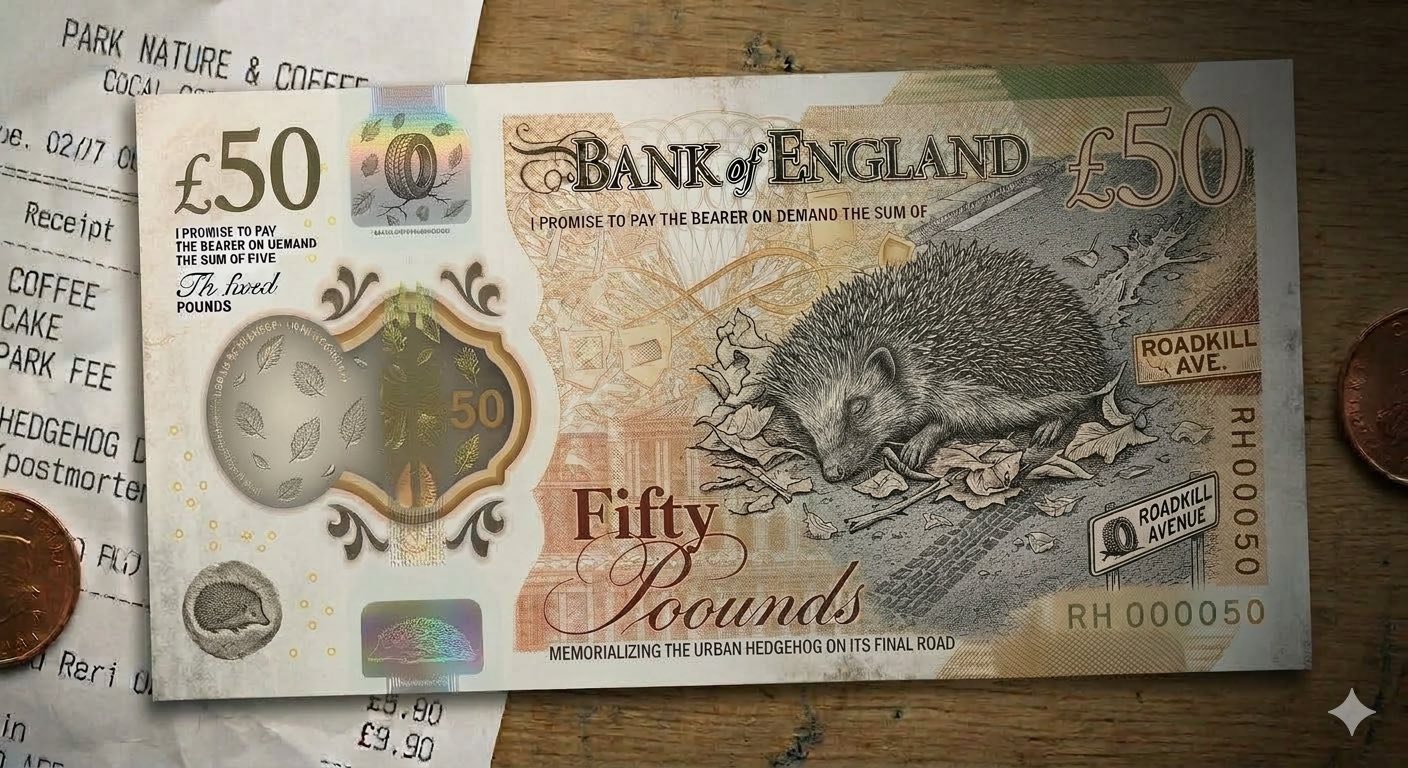
... and Alan Turing with a hedgehog ...
... I was fascinated to stumble across a story about the history of money in America.
The story is inspired by a new book by Stephen Mihm claiming that America was created by a nation of fraudsters two centuries ago (some would say it hasn't changed).
In the early 1800s, the United States had no central currency. Instead, hundreds of private banks issued their own notes, creating a bewildering monetary system with more than 10,000 different banknote designs in circulation. Many of these notes came in strange denominations such as $3, $4, $6, $7 and $9, reflecting a world where money was created locally rather than nationally.
The result was chaos. Shopkeepers had little chance of knowing whether a note was genuine, whether the issuing bank actually existed, or whether it held enough gold and silver to redeem its promises. Some banks were so poorly capitalised that the difference between legitimate banking and fraud became difficult to define.
Into this confusion stepped the counterfeiters.
Rather than being universally condemned, counterfeiters often provided a valuable service. In frontier regions of the Midwest and West, where genuine currency was scarce, people knowingly accepted fake notes because they needed something - anything - to facilitate trade. In some areas, it was believed that as much as half the money in circulation was counterfeit. Reputable fake notes were often preferred to genuine notes issued by dubious banks.
The unusual denominations are celebrated today by collectors as reminders of this era, along with bitcoin, solano, cardano, XRP and more.
Before a national currency existed, banks competed by issuing their own beautifully engraved notes in almost any value imaginable. You would have $1 dollar notes, and $3, $4, $5 and even $11 notes.
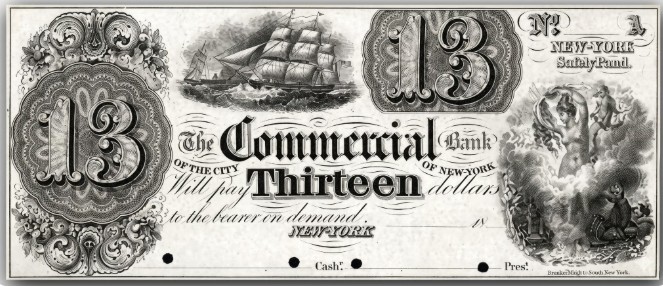
What seems bizarre today was perfectly normal in a fragmented financial system where money was largely a private-sector product and then the Civil War changed everything.
To finance the conflict, the federal government introduced national paper money backed by the credit of the United States. Suddenly, counterfeiting was no longer merely a nuisance to individual banks; it became a threat to the nation itself. This led to the creation of the United States Secret Service in 1865 and the gradual elimination of America's sprawling ecosystem of private banknotes.
The irony is that while counterfeiters were criminals, they also supplied liquidity, credit and confidence in a country that was desperately short of all three. In a nation rich in ambition but poor in hard money, fake notes helped fuel commerce, settlement and economic growth. America's early financial system was not built on a neat distinction between real and fake money. It was built on a shared belief that someone, somewhere, would accept the note tomorrow.
In that sense, America's counterfeiters were not merely forgers. They were unofficial bankers helping finance the growth of a young nation. Just like cryptocurrency folks today.
If you like this blog, you can find out a lot more here:
- How fake money built America
- Obsolete Notes in Unusual Denominations (Numismatic News)
- A Nation of Counterfeiters: Capitalists, Con Men, and the Making of the United States (Amazon Books)
Meanwhile, other strong contenders for the UK's currency of cash include ...

Chris M Skinner
Chris Skinner is best known as an independent commentator on the financial markets through his blog, TheFinanser.com, as author of the bestselling book Digital Bank, and Chair of the European networking forum the Financial Services Club. He has been voted one of the most influential people in banking by The Financial Brand (as well as one of the best blogs), a FinTech Titan (Next Bank), one of the Fintech Leaders you need to follow (City AM, Deluxe and Jax Finance), as well as one of the Top 40 most influential people in financial technology by the Wall Street Journal's Financial News. To learn more click here...