Thirty years ago, a journalist laughed when I predicted that someone would one day make a payment from the top of Mount Everest. In 2013, it came true.
Why am I thinking about this today? Because I am going somewhere that has a hidden secret. Going where? Uzbekistan. The hidden secret? Payme.
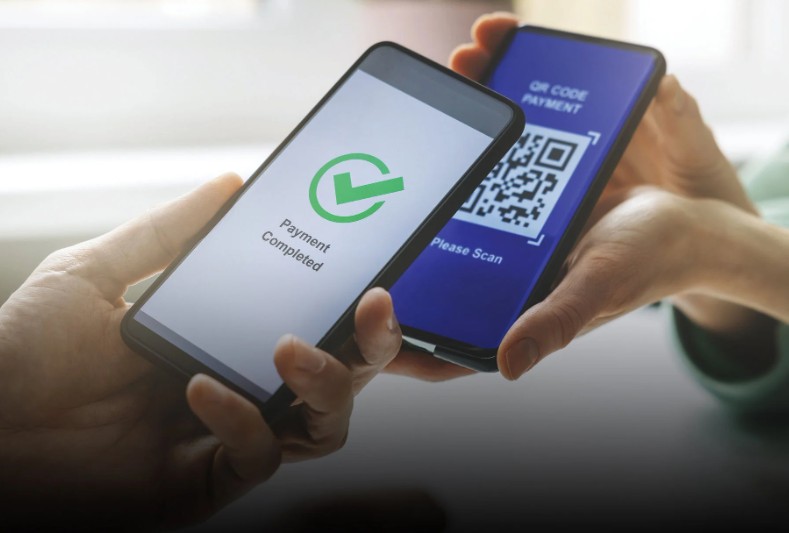
Payme is one of the leading fintech payment platforms in Uzbekistan and, more than this, has become a central part of the country’s rapid shift from cash-based payments to mobile-first digital finance. At its core, Payme is a mobile payment and financial “super app” that allows users to:
- transfer money between cards,
- pay utility bills,
- pay taxes and fines,
- make QR-code payments in shops and cafés,
- top up mobile phones and internet services,
- track spending, and
- increasingly access broader financial services.
The app is deeply integrated into Uzbekistan’s domestic payment infrastructure, especially the local card schemes Uzcard and Humo, which dominate the market. In many ways, Payme plays a similar role in Uzbekistan to what Alipay or WeChat did in China during the early mobile-payment revolution, although on a much smaller scale. Most notable is not the app itself, but what it says about Uzbekistan’s economy.
For years, Uzbekistan was heavily cash-based and relatively closed financially. But over the past decade, the country has liberalised rapidly, pushing digital infrastructure, fintech innovation and financial inclusion. Payme emerged as one of the breakout winners of that transition alongside rivals like Click and Uzum.
In 2019, TBC Bank acquired a majority stake in Payme and, by 2023, became full owner of the platform. That was strategically important because it connected Uzbek fintech growth with a more international digital banking model. TBC essentially used Payme as the foundation for building a broader digital banking ecosystem in the country.
What makes Payme fascinating from a fintech perspective is that it reflects a pattern seen across emerging markets where mobile payments often leapfrog traditional banking infrastructure. People skipped desktop internet banking entirely and moved straight to smartphones. As a result, apps like Payme become not just payment tools, but everyday financial operating systems.
The scale is significant as the app reports millions of users and over 10 million Android downloads. In a country of roughly 37 million people, that is meaningful penetration. If you want some more facts and figures, here we go:
- of those 37 million people, 59% are under 30
- the country’s GDP is expanding around 6% annually for the past decade, and forecast to nearly double to $160 billion by 2030
- POS digital payment volumes tripled to over $22 billion in the three years ending 2023
- retail lending remains just 12% of GDP and
- in July 2025 alone, the country’s Fast Payment System processed more than $10.2 billion in transactions.
Another important point is that Uzbekistan’s local payment ecosystem evolved differently from Western markets. Apple Pay and Google Pay adoption has historically been limited because of local infrastructure, regulation and card-network differences, meaning domestic apps like Payme became far more important in daily life.
From a broader strategic angle, Payme shows how fintech in emerging markets is often less about “disrupting banks” and more about building the first truly usable digital financial layer for the mass market.
In short, Payme is not just a payments app. It is part of Uzbekistan’s digital economic transformation from a cash-heavy post-Soviet economy into a mobile-first fintech market.
For more, checkout this LinkedIn update.
The core of this is that it made me realise my vision of years ago is true. Every nation is being transformed by the network of finance. Take this headline:
iStore Pay Launches: Turning Every iPhone in South Africa into a Card Machine
iStore Pay is a dedicated business payment app for entrepreneurs and small businesses and is the first partner to launch Tap to Pay on iPhone in South Africa enabling local merchants to accept contactless payments directly on their mobile devices.
This reminded me of my example of a cow herder on the plains of Kenya using mPesa to sell leather and milk from his mobile phone. People thought it was stupid when I talked about it twenty years ago but, when I see these examples emerging everywhere worldwide, it makes me realise that my prediction of everyone on Planet Earth making and taking a payment through our global connectivity, as presented to the United Nations in 2019, is coming true.
In the past, much of the audience laughed at this idea … well, they’re not laughing now.

Chris M Skinner
Chris Skinner is best known as an independent commentator on the financial markets through his blog, TheFinanser.com, as author of the bestselling book Digital Bank, and Chair of the European networking forum the Financial Services Club. He has been voted one of the most influential people in banking by The Financial Brand (as well as one of the best blogs), a FinTech Titan (Next Bank), one of the Fintech Leaders you need to follow (City AM, Deluxe and Jax Finance), as well as one of the Top 40 most influential people in financial technology by the Wall Street Journal's Financial News. To learn more click here...