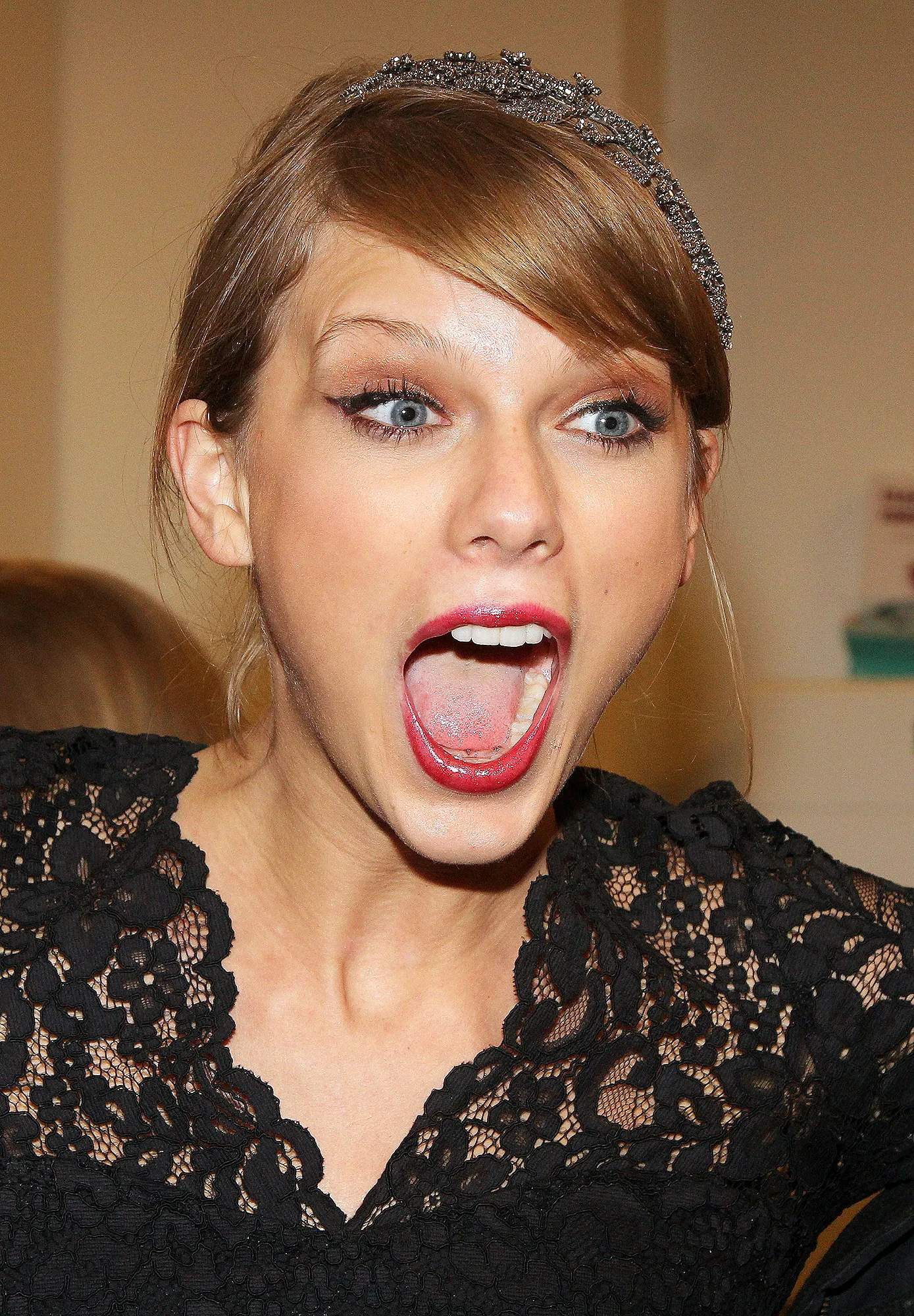
There was an interesting reaction to the reports surrounding Taylor Swift’s lavish wedding. It wasn’t really about the money. Everyone knows she’s a billionaire and nobody expected a modest ceremony in the local church hall. What seemed to irritate many people was something deeper.
For years, Swift has cultivated the image of the relatable girl next door. Her songs are about ordinary lives, ordinary relationships and ordinary emotions. Millions of fans have bought into that authenticity because they felt she was one of them. Then came a wedding that appeared to be the complete opposite.
$20 million or more spent on an event for 1,000 people that was completely OTT. That is why people are angry. Whether the reports are entirely accurate doesn't matter. The perception is what counts. Instead of celebrating her success with quiet confidence, some fans were left feeling that one of the richest entertainers on the planet was rubbing their noses in just how wealthy she had become. At a time when many of the very people who bought her albums and filled her stadiums are struggling with mortgages, rents and the cost of living, an event costing tens of millions of dollars inevitably felt less like a celebration and more like a demonstration of financial power.
The criticism also centred on something else.
Taste.
Words like “tacky”, “over-the-top” and “trying too hard” quickly appeared. Whether those descriptions are fair isn’t really the point. What fascinated me was why we instinctively associate understated wealth with sophistication and conspicuous wealth with insecurity.
It is an old financial story.
Economists have long talked about conspicuous consumption, a phrase coined more than a century ago by the American economist and sociologist Thorstein Veblen. His argument was simple. Some purchases are not made because people need them. They are made because people want other people to see them.
Luxury watches, designer handbags, supercars and enormous weddings are often less about utility than signalling as money becomes theatre.
The irony is that the wealthiest people often stop playing that game altogether.
Spend time around genuinely wealthy families and you notice something curious. Many drive sensible cars. They wear clothes without obvious logos. Their homes are beautiful but understated. They rarely tell you what anything cost.
They have nothing left to prove.
Contrast that with someone who has recently become wealthy.
The Ferrari arrives first and then the Rolex watch. Then the private jet photographs appear on Instagram. Success becomes something to display, rather than simply to enjoy.
It isn’t necessarily vanity but more about validation.
Banks understand this psychology better than most industries.
Private banking has never been about selling expensive products. It is about making wealthy clients feel that they no longer need to demonstrate their wealth. The experience is discreet. Relationships matter more than logos. Conversations happen behind closed doors rather than in public view.
There is a reason the old saying goes that money talks but wealth whispers.
That distinction is becoming increasingly important as social media encourages exactly the opposite behaviour.
Every platform rewards visibility. Holidays become content; restaurants become content; watches become content; weddings become content. It is all about showing the money and wealth itself becomes another form of personal branding.
Perhaps that explains the reaction to Taylor Swift’s wedding.
People weren’t criticising the money. They were responding to the performance of money. There is an important difference. Many Swifties are saying it was OTT. A significant portion of the fan base—especially those in critical fan spaces—has voiced sharp disapproval about the venue and logistics.
Holding a private wedding at Madison Square Garden while effectively shutting down surrounding streets and businesses left a sour taste for some locals and fans.
Other critics argue that the lavish venue, highly sponsored feel, and intentional pre-wedding leaks felt like a “vanity move” rather than a genuine, intimate romance.
And detractors within the Swiftie community have described the event as a “dystopian” display of extreme wealth, criticising the intense public obsession over a hyper-billionaire's mega-wedding.
End of the day, I think she made a mistake with this OTT wedding as people trust those more who hide their wealth rather than rub it in your face.
Specifically, humility has become an increasingly valuable financial asset because it signals confidence. The need to display wealth often signals the opposite.
Perhaps that is why the world’s greatest investors remain remarkably understated. Warren Buffett still lives in the same Omaha house he bought in 1958. Ingvar Kamprad became famous for flying economy and driving an old Volvo. Whether partly symbolic or entirely genuine, those choices reinforced an image that their relationship with money was about stewardship rather than status.
That doesn’t mean rich people should apologise for being rich as success should be celebrated, but there is a subtle difference between enjoying wealth and performing it.
One creates admiration whilst the other creates distance.
Perhaps the most valuable financial lesson is this. Once money becomes your identity, you have probably misunderstood its purpose. Real wealth is not about convincing everyone else that you have it. It is about reaching the point where you no longer feel the need to.

Chris M Skinner
Chris Skinner is best known as an independent commentator on the financial markets through his blog, TheFinanser.com, as author of the bestselling book Digital Bank, and Chair of the European networking forum the Financial Services Club. He has been voted one of the most influential people in banking by The Financial Brand (as well as one of the best blogs), a FinTech Titan (Next Bank), one of the Fintech Leaders you need to follow (City AM, Deluxe and Jax Finance), as well as one of the Top 40 most influential people in financial technology by the Wall Street Journal's Financial News. To learn more click here...