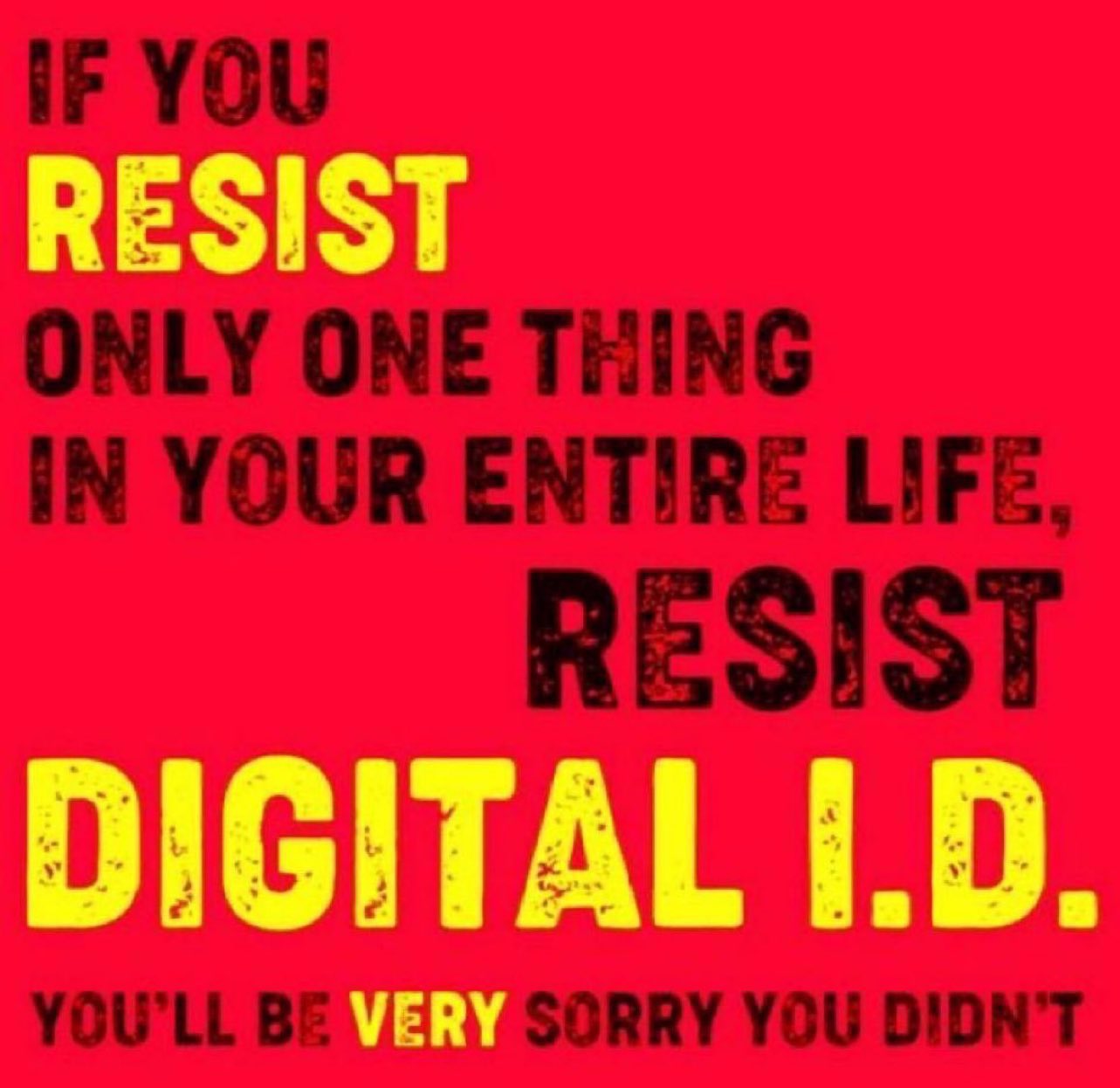
For many years, I’ve been among the fintech influencers arguing for a digital identity system. Most people reply that they don’t want one. Even an anonymous encrypted one. They fear that governments will find ways to track and trace them, and so it does not work. Their fears are slightly irrational as, if you use a decentralised ZKP (Zero Knowledge Proof) identity system, it can work. But the fear is there.
It's a little bit like an elderly gentleman I was talking to the other day who does not like the idea of mobile or online banking. He feels far more comfortable with telephone and branch banking. The latter is becoming far more difficult as banks cut costs but, if you are willing to spend hours waiting on the phone or visiting a branch, are still workable.
Let’s get back to digital identity schemes.
UK Government says that a “new digital ID scheme will make it easier for people across the UK to use vital government services”.
The UK digital ID will include your name, date of birth, information on nationality or residency status, and a photo – as the basis for biometric security – just like an eVisa or Passport, but updated for the modern digital world we live in.
Once you have one, the government argues that it will streamline access, increase efficiency, reduce wait times and make it easier to keep your data up to date.
Many governments around the world are developing digital IDs, inspired by the success of Aadhaar in India, the world’s first major scheme.
With over a billion people onboarded, the Indian scheme has been admired by many but also argued against by many. It is viewed as a way to track and trace people’s movements, rather than being a system to allow easy access to service. Nevertheless,A without it, many citizens would be barred from access to government, transport and financial services, so there is balance.
This is true of many schemes.
For example, the USA is just launching a digital mobile driving license identity scheme, or mDLs for short. mDLs are digitized versions of the information on physical, State-issued driver’s licenses and identification cards, and are stored on mobile electronic devices such as smartphones. The system came into force this year but there are many who don’t like them.
For example Timothy Ruff, a digital identity professional, has expressed concerns about mDLs in the US, particularly regarding the potential for "phone home" tracking mechanisms within the underlying ISO standard 18013. He has highlighted that while the standard allows for a "server retrieval" mode that could be used for tracking, this function is often defended with policy promises, which privacy advocates like Ruff and the ACLU see as an insufficient safeguard.
More about Timothy in a future blog update.
Meanwhile, I’ve personally experienced two events that have shaped my views on digital identity. One was in Hungary, when I presented the idea of a digital identity and one audience member interrupted to say: “we used to have identity cards and we don’t like them”. For those who remember the Cold War and before, you will know where they are coming from.
On another occasion, I was in Sweden and my host showed me that he had an NFC chip in his hand. This could be used to freely travel around the country without the need for cards or wallets, so I asked: do many people have this? His answer was no. Why? Because Swedes were worried the chip could be used to track and trace them. People want privacy.
So, what is the future?
Maybe Apple is leading the way.
Apple introduced Digital ID the other day, which they describe as: “a secure and private way for users to create an ID in Apple Wallet using information from their U.S. passport, and present their ID with iPhone or Apple Watch.”
It is a US-only scheme but allows Americans to carry their identity on their phone or watch and the company stresses that Apple cannot see when and where users present their ID, or what data was presented. It is private and secure.
This then gets interesting, as Apple has long championed the idea of their devices being secure and private, as has Meta with Whatsapp encryption. This is the key.
Governments want the roll-out of digital identities but citizens do not want governments to have access to their freedom of movement. The compromise will be digital identities that are controlled by citizens and only accessible on demand, but encrypted and private.

Chris M Skinner
Chris Skinner is best known as an independent commentator on the financial markets through his blog, TheFinanser.com, as author of the bestselling book Digital Bank, and Chair of the European networking forum the Financial Services Club. He has been voted one of the most influential people in banking by The Financial Brand (as well as one of the best blogs), a FinTech Titan (Next Bank), one of the Fintech Leaders you need to follow (City AM, Deluxe and Jax Finance), as well as one of the Top 40 most influential people in financial technology by the Wall Street Journal's Financial News. To learn more click here...