

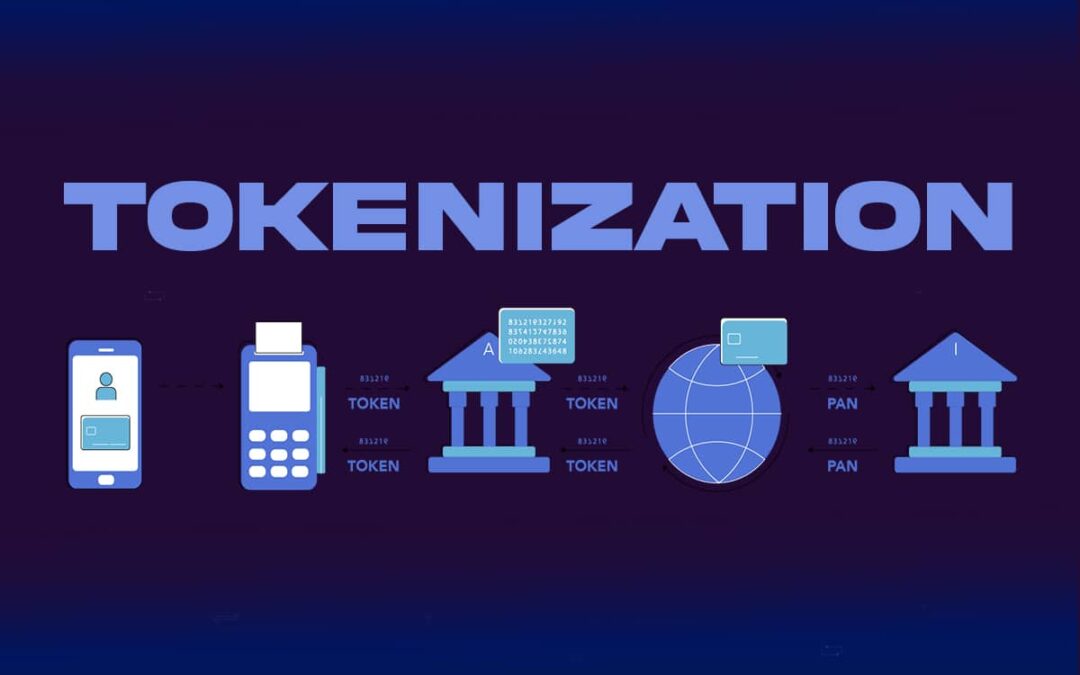
We spend a lot of time today talking about digital assets, tokenization and programmable money, but the funny thing is none of this is new. In fact, the origins of modern finance don’t start with coins, banks or even markets. They started with small lumps of clay.
At the ancient archaeological site of Mureybet in Syria held the remains of hunters and gatherers. The deeper levels dating back to 9,000 BCE produced the earliest evidence for agriculture, as well as the first specimens of tokens.
Over 10,000 years ago, as humans shifted from hunting to farming, something fundamental changed. For the first time, we had surplus. Crops could be grown, stored and redistributed. And that created a problem.
How do you keep track of who owns what?
The answer was tokens called bullae.
#/media/File:Clay_bullae_OIM.jpg)
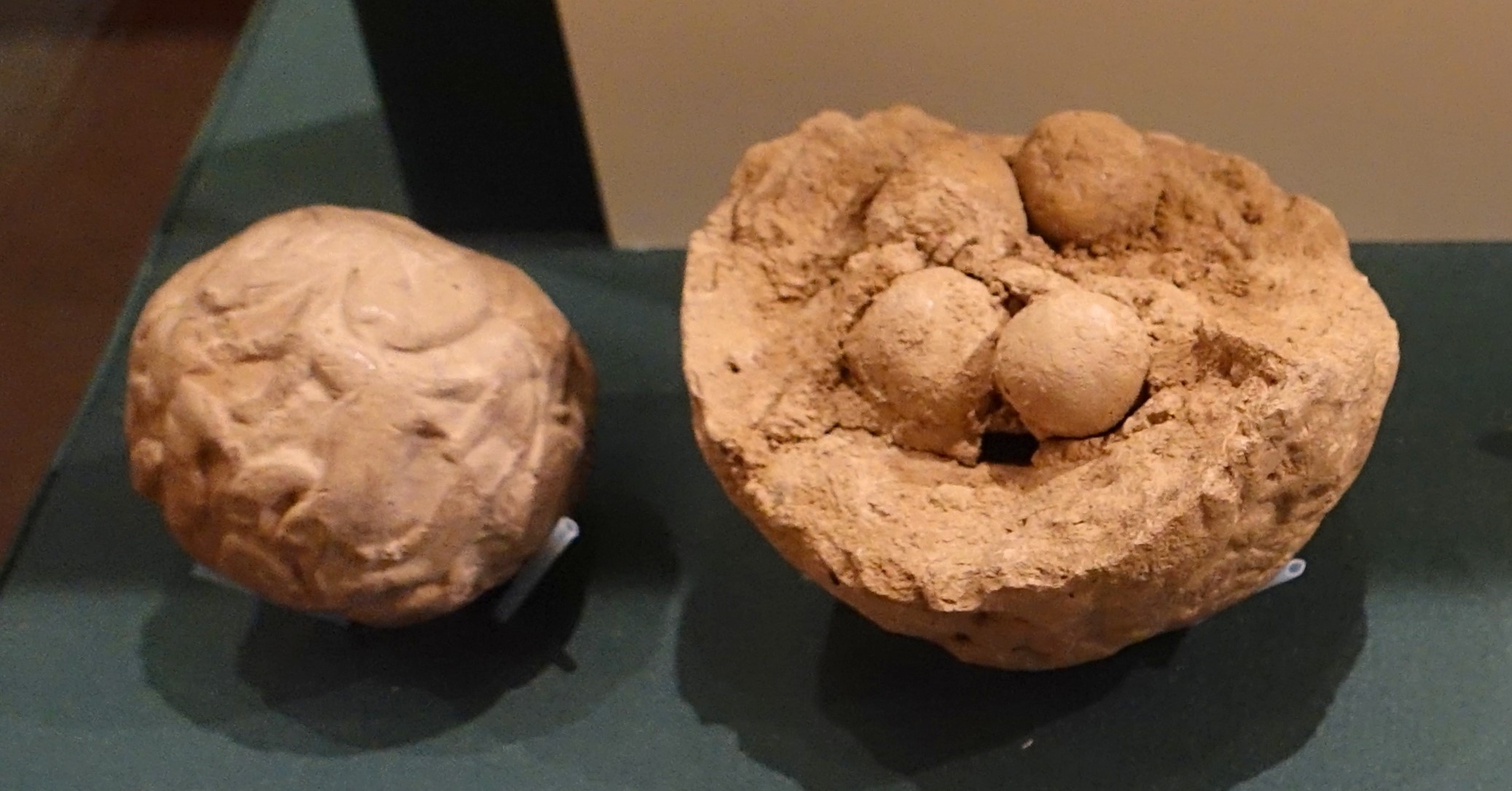
Bullae were hollow clay balls that contained other smaller tokens that identified the quantity and types of goods being recorded. These early clay tokens were not currency. They were not used to trade. They were not even abstract numbers. They were data objects.
Each token represented something very specific: a measure of grain, a jar of oil, a cow, a chicken or a goat. In other words, tokens were the first structured way of recording data about economic activity.
Think about that for a moment.
Before there was money, there was accounting. Before there was trade, there was record-keeping. Before there was value exchange, there was data about value.
Sound familiar?
Fast forward 10,000 years and we’re still solving the same problem which is why we’re now hearing so much about tokenization, programmable money, digital identity and Agentic AI, but here’s the thing: these are not financial innovations. They are data innovations. The real shift is not from analogue to digital. It is from dumb data to intelligent data and moving from recording transactions to executing them.
In fact the biggest shift is that we can delegate authority for bot-to-bot trading and execution, rather than human-to-human.
Clay tokens recorded what had happened. Modern systems don’t just record … they act.
We started with tokens as a way to represent economic activity and today’s modern tokenization does the same thing but digitally, programmable, interoperable and intelligent. This means modern trade can be proactively managed by machines rather than reactively recorded by machines.
The systems can trade without humans anymore – they can act – but the underlying purpose hasn’t changed. It’s still about answering the same question humanity faced 10,000 years ago: who owns what, and what should happen next?
And that’s when the race to intelligence really begins.
Meanwhile, one of the interesting examples of tokens I came across was for babies!
In the 1700s in London, many women were having babies and could not cope. Over 1,000 of the little ones were dying on the streets each year so Thomas Coram, a 18th-century sea captain and philanthropist, established the Foundling Hospital in London in 1739.
Thomas had been shocked by the sight of so many abandoned children and campaigned for seventeen years to create the Foundling Hospital institution to care for them. The Hospital was chartered by King George II to prevent the abandonment and death of babies in London by providing a home, education, and vocational training. Other leading Georgian figures were also involved, with artist William Hogarth and composer George Frideric Handel instrumental in supporting Coram's vision.
From the very first admissions, the Hospital was completely overwhelmed in relation to the number of places they had available so, in 1742 they developed a lottery system. Mothers drew balls from a bag and the colour of the ball determined whether their baby had a place in the hospital or not.
These were pretty brutal times, and there was only one sure fire way of getting a child into the Foundling Hospital as you could bypass the lottery system with a donation of £100. It was a convenient way for a wealthy family to get rid of an illegitimate child.
Once admitted, the children’s names were changed within about 24 hours of arriving at the Hospital. Some were named after Thomas Coram and William Hogarth, and also some historical characters like Geoffrey Chaucer, Julius Caesar and Walter Raleigh. There were even children named after places. One little child was christened Houghton Hall of all things, another was called East Street and another Hopegood Helpless.
The Hospital needed a system whereby, if a mother’s situation changed and she was able to come back and claim her child, the staff could identify which child was hers, because it would no longer have the same name.
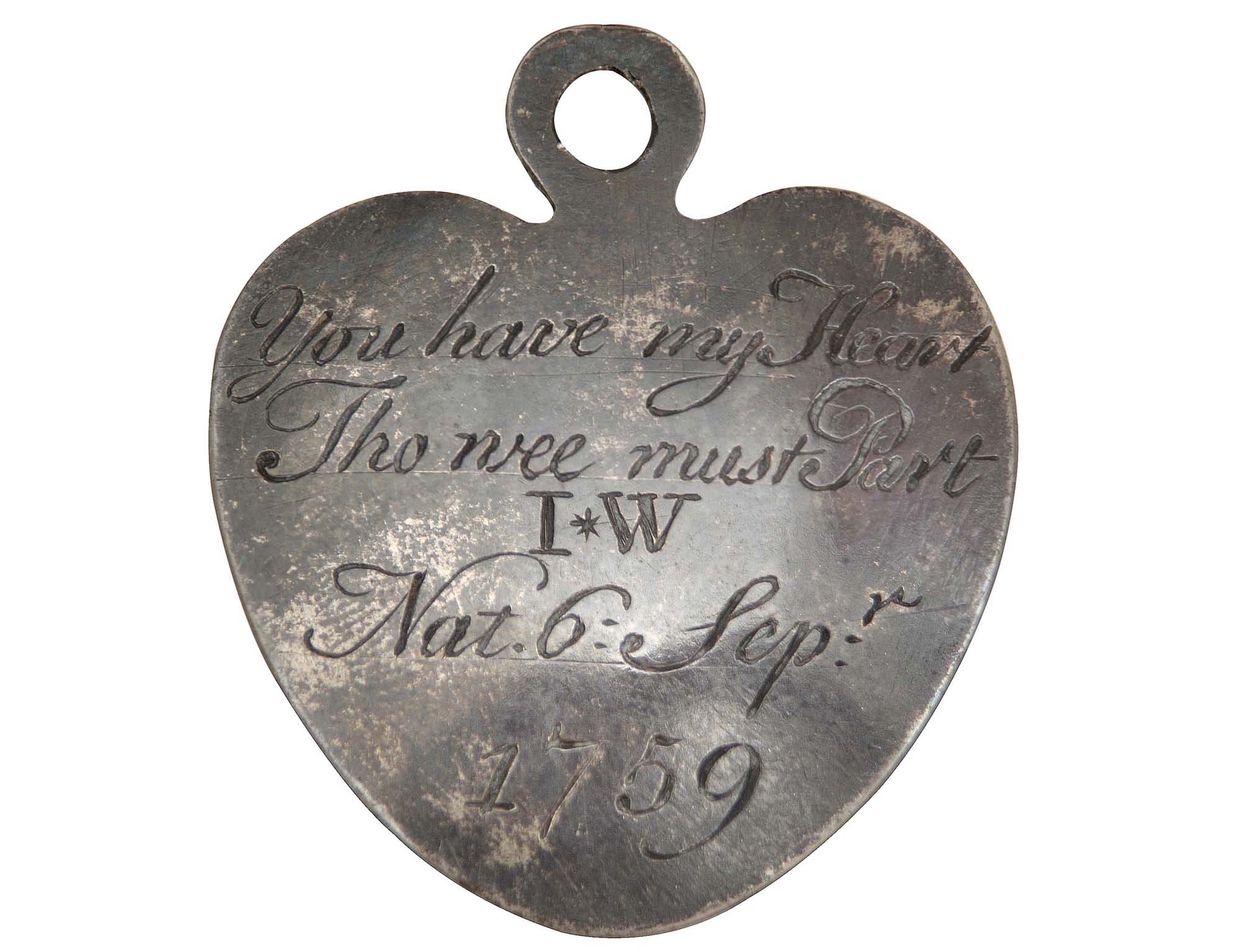
This meant that every child was given a unique identification number on admission, which was worn around its neck at all times, and that was the link between its past life and its new life. When babies arrived, a swatch of fabric was cut from their clothes and cut in half. Half was given to the mother, and half was pinned to the child’s admission sheet.
The two pieces of fabric were the tokens of record.
All the mother needed to do was remember the date that she left her baby and bring her piece of fabric. They would then open the admissions for that day, match the fabric, find the unique identification number, and go to the registry to find what that child was now called and where it was in the school system.
But because fabric is fragile, can fall apart or be lost, mothers were also encouraged to bring something else that was unique to them, which would act as back-up to the piece of fabric – and these are the tokens.
Did many mothers come back for their child?
Apparently not. Of the roughly 25,000 children that the Hospital took in between 1741 and 1954, only about 1,500 were returned to their parent.
Interestingly, as a footnote, the three leading players in our story, the philanthropist Thomas Coram, the artist William Hogarth and the composer George Frideric Handel, were all childless men.
The Hospital continues today as the charity Coram www.coram.org.uk
Much of the story about the Hospital comes from this interview with Caro Howell, Director of the Foundling Museum, whilst the history of tokenization is covered in detail in this paper: The Invention of Tokens, by Antonino Crisà, Mairi Gkikaki and Clare Rowan. Download the PDF (6 MB)

Chris M Skinner
Chris Skinner is best known as an independent commentator on the financial markets through his blog, TheFinanser.com, as author of the bestselling book Digital Bank, and Chair of the European networking forum the Financial Services Club. He has been voted one of the most influential people in banking by The Financial Brand (as well as one of the best blogs), a FinTech Titan (Next Bank), one of the Fintech Leaders you need to follow (City AM, Deluxe and Jax Finance), as well as one of the Top 40 most influential people in financial technology by the Wall Street Journal's Financial News. To learn more click here...