Chris Skinner's blog

Shaping the future of finance

History

How The City Developed, Part Thirteen: The Big Bang

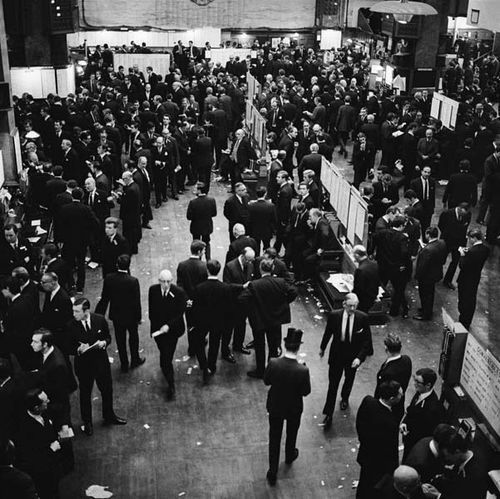
By the 1970s, the City had re-established its position of prominence thanks to trading in Eurocurrency and the increasing volume of trading in securities, but it lagged behind the rest of the world, particularly New York, due to its very traditional way of operating. The markets were based upon a structure that was 150 years…

Trarders

How The City Developed, Part Thirteen: The Big Bang

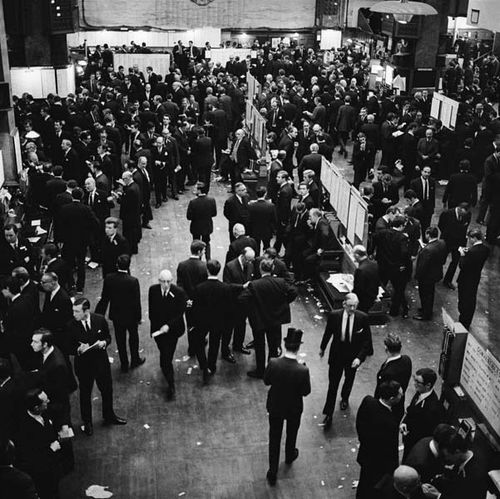
By the 1970s, the City had re-established its position of prominence thanks to trading in Eurocurrency and the increasing volume of trading in securities, but it lagged behind the rest of the world, particularly New York, due to its very traditional way of operating. The markets were based upon a structure that was 150 years…

Trarders

How The City Developed, Part Twelve: After World War II

Britain came out of the Second World War a weaker nation.  The economy was in ruins, as was much of Europe’s economies, and it owed $3.5 billion to the USA as a result of a loan in 1946 which was only repaid in 2006, sixty years later. The declaration of independence of India in 1947 began…

BWC2252-01

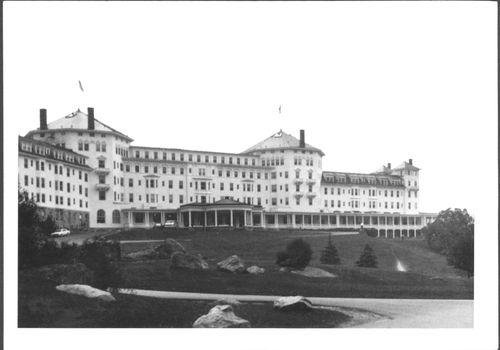
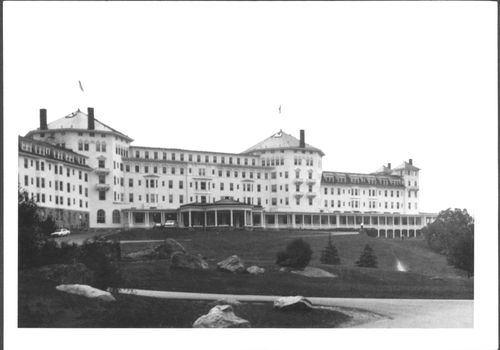
How The City Developed, Part Twelve: After World War II

Britain came out of the Second World War a weaker nation.  The economy was in ruins, as was much of Europe’s economies, and it owed $3.5 billion to the USA as a result of a loan in 1946 which was only repaid in 2006, sixty years later. The declaration of independence of India in 1947 began…

BWC2252-01

How The City Developed, Part Eleven: World Wars

By the late 1800s, London had become the financial centre of the world thanks to the expansionist colonisation of the 1700s and industrialist consolidation of the Victorians. The City of London now had strong links to rapidly expanding bank markets around the world, particularly in the USA where the Industrial Revolution fuelled corporate financing needs….

Tank_image4

How The City Developed, Part Eleven: World Wars

By the late 1800s, London had become the financial centre of the world thanks to the expansionist colonisation of the 1700s and industrialist consolidation of the Victorians. The City of London now had strong links to rapidly expanding bank markets around the world, particularly in the USA where the Industrial Revolution fuelled corporate financing needs….

Tank_image4

How The City Developed, Part Ten: The Victorians

The Victorian years saw a period of massive expansion, both in terms of Empire consolidation and industrialisation as the railway revolution led to revolutions in much more. People could now travel between cities, moving goods and services rapidly by steam train to ports and across continents. The world was becoming connected and the invention of…

800px-Victoria_Memoria,_Kolkata

How The City Developed, Part Ten: The Victorians

The Victorian years saw a period of massive expansion, both in terms of Empire consolidation and industrialisation as the railway revolution led to revolutions in much more. People could now travel between cities, moving goods and services rapidly by steam train to ports and across continents. The world was becoming connected and the invention of…

800px-Victoria_Memoria,_Kolkata

How The City Developed, Part Nine: The 1700s

By the early 1700s, London had established the basic mechanisms of modern finance – a central bank with the ability to stabilise monetary policy; a stock exchange to enable financing of industry and commerce; and an insurance marketplace to cover risks in business. These capabilities were not unique however.  As motioned, Antwerp had a thriving…

Slave trade

How The City Developed, Part Nine: The 1700s

By the early 1700s, London had established the basic mechanisms of modern finance – a central bank with the ability to stabilise monetary policy; a stock exchange to enable financing of industry and commerce; and an insurance marketplace to cover risks in business. These capabilities were not unique however.  As motioned, Antwerp had a thriving…

Slave trade