Chris Skinner's blog

Shaping the future of finance

History

How The City Developed, Part Eight: the London Stock Exchange

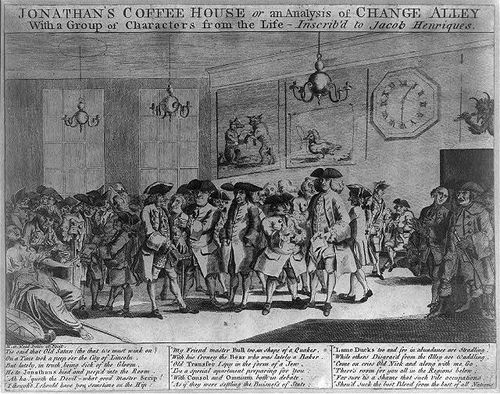
As mentioned, three core financial service businesses began at the same time at the end of the seventeenth century: the Bank of England in 1694; Lloyd’s Coffee House in 1688; and the London Stock Exchange in 1698. The Stock Exchange has obviously been the major innovator in cementing London’s standing as a focal point for…

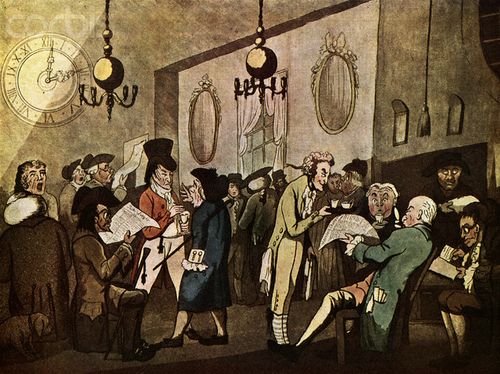
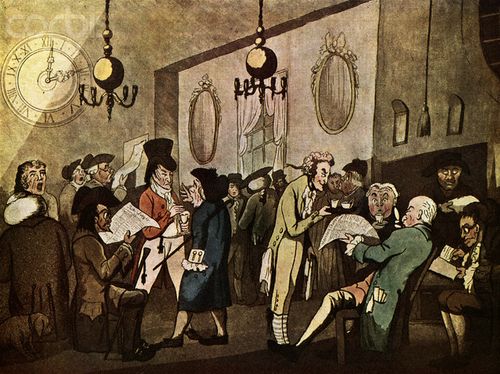
Jonathan's-Coffee-House-or-An-analysis-of-change-alley-with-a-group...-painting-artwork-print

How The City Developed, Part Eight: the London Stock Exchange

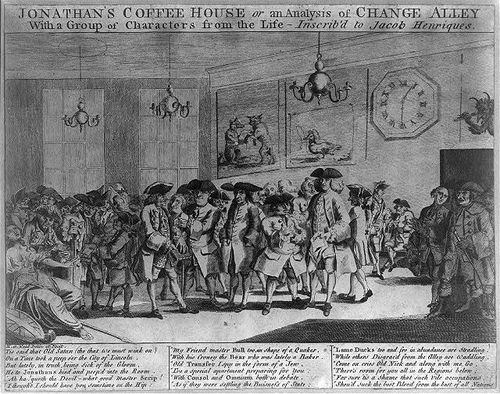
As mentioned, three core financial service businesses began at the same time at the end of the seventeenth century: the Bank of England in 1694; Lloyd’s Coffee House in 1688; and the London Stock Exchange in 1698. The Stock Exchange has obviously been the major innovator in cementing London’s standing as a focal point for…

Jonathan's-Coffee-House-or-An-analysis-of-change-alley-with-a-group...-painting-artwork-print

How The City Developed, Part Seven: Lloyd’s of London

Alongside the founding of the Bank of England, the making of London as the City of Finance can be traced to two other key developments that occurred at the same time: the opening of an insurance centre and a stock exchange. Coincidentally, all of these things happened around the same time: the Bank of England…

Lloydsoflondon

How The City Developed, Part Seven: Lloyd’s of London

Alongside the founding of the Bank of England, the making of London as the City of Finance can be traced to two other key developments that occurred at the same time: the opening of an insurance centre and a stock exchange. Coincidentally, all of these things happened around the same time: the Bank of England…

Lloydsoflondon

How The City Developed, Part Six: The Bank of England

Following the disaster of Charles II’s spending under the Stuarts, the newly reformed operations were stabilised under the new monarch, King William III. Realising that his purse was haemorrhaging and that he couldn’t do the same as Charles, as in just default, William decided to create a new Bank that would enable funding whilst being…

Bank_of_England_Charter_sealing_1694

How The City Developed, Part Six: The Bank of England

Following the disaster of Charles II’s spending under the Stuarts, the newly reformed operations were stabilised under the new monarch, King William III. Realising that his purse was haemorrhaging and that he couldn’t do the same as Charles, as in just default, William decided to create a new Bank that would enable funding whilst being…

Bank_of_England_Charter_sealing_1694

How The City Developed, Part Five: The Stuarts

After the Tudors, England went through a period of massive turmoil under the new Royal Household of the Stuarts. Throughout the 17th Century, the Royal Household (the Crown) and Government (Parliament) were at war, both figuratively and literally. The 1640s saw a massive revolution in the country, with the execution of King Charles I, and…

Exchequer

How The City Developed, Part Five: The Stuarts

After the Tudors, England went through a period of massive turmoil under the new Royal Household of the Stuarts. Throughout the 17th Century, the Royal Household (the Crown) and Government (Parliament) were at war, both figuratively and literally. The 1640s saw a massive revolution in the country, with the execution of King Charles I, and…

Exchequer

How The City Developed, Part Four: The Tudors

We finished Part Three of our History of the City with a nod to Sir Thomas Gresham, Banker to Queen Elizabeth I and forefather of all things in the City of London today. Thomas was the son of Sir Richard Gresham, a merchant who also became Lord Mayor of London in 1537. Richard had a partnership…

Thomas_Gresham

How The City Developed, Part Three: Medieval Times

The first proper bridge in London was built in 1176 and completed in 1209. There had been other bridges built by the Romans and Vikings, but these were always of wood and generally got burnt and pulled down. The bridge of 1209 was built of stone, and had longevity. In fact, it was the only…

Old london bridge