The AML conundrum solved?
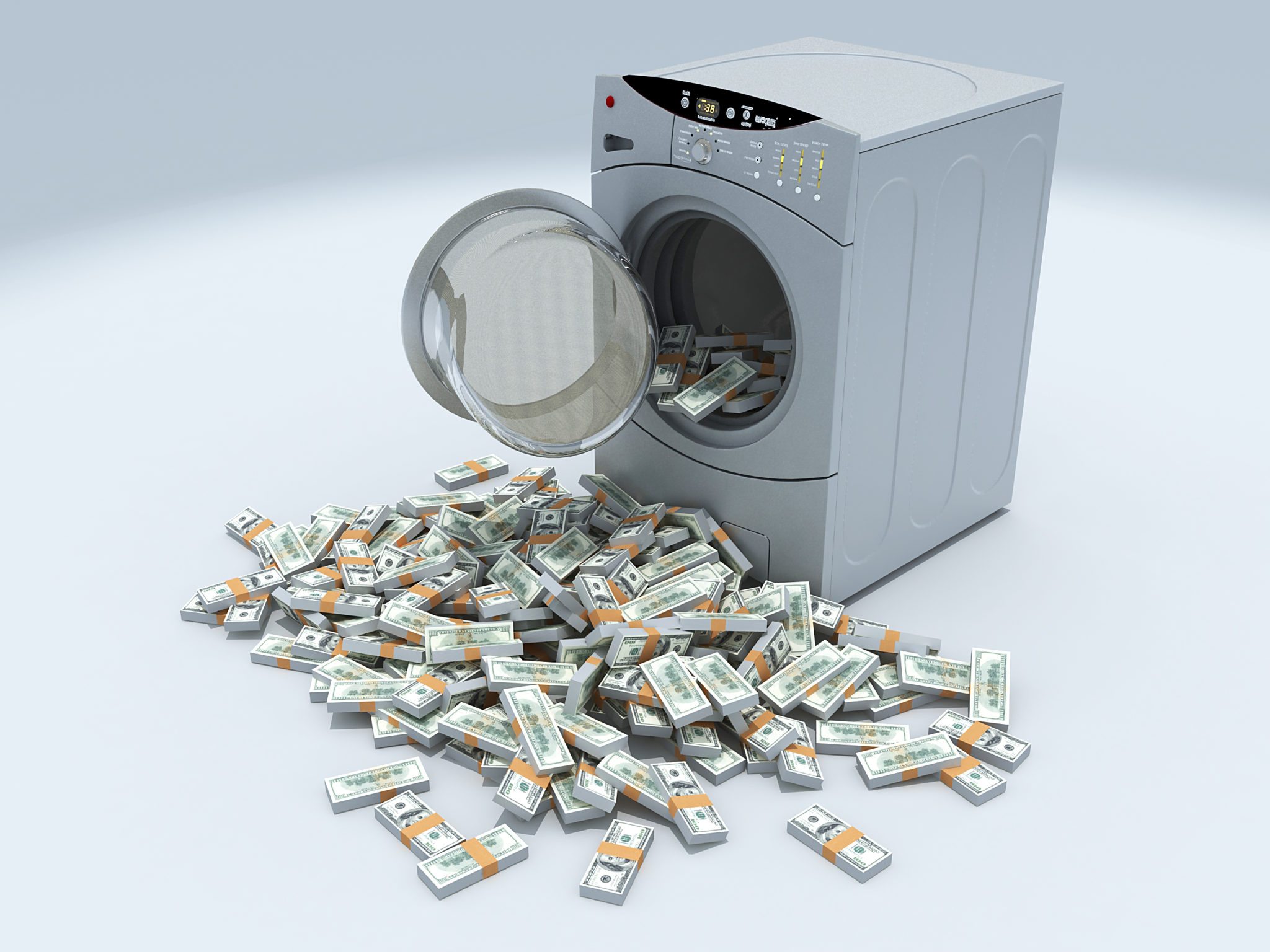
I outlined yesterday the fact that 98% of money laundering goes unchecked, allowing $1.6 trillion a year to be used for terrorist funding, drug dealers, sex traffickers and possibly worse. This was prompted by a conversation about AML (Anti-Money Laundering) with the CEO and Co-Founder of I met Coinfirm, Pawel Kuskowski. So what’s the solution, is how…
Laundering-as-a-Service (a bank USP)
I was surprised the other day when I met Pawel Kuskowski, CEO and Co-founder of Coinfirm, a start-up firm offering Compliance-as-a-Service. Pawel has been trained in compliance and AML, having worked with some of the world’s biggest financial institutions including AIG (Compliance Officer), UBS (Director of Compliance, Compliance and Operational Risk Officer) and RBS (Head…
11 FinTech trends you need to follow
The first few weeks of 2017 bombarded us with articles predicting the future of fintech and financial services. I’ve now analysed them all and identified the top 11 trends that the leading banking and FinTech experts agree we should be following now. Here’s the trend breakdown: Removing friction from the customer journey Rise of insurtech Rise of regtech…

Technology is key to banking future … really?
It’s intriguing to see how the world has now got the FinTech message. The Telegraph ran a conference about it (I was there); The White House has published a report on it; America’s Celebrity Apprentice has one of our own on it; and The Banker has run a magazine feature dedicated to it.There’s even a…

EU priorities for financial services regulations, 2017
We had a fun session of the Financial Services Club this week, in light of the lack of clarity on Brexit from the UK Gov. The discussion was our regular New Year kick-off meeting with special guest David Doyle, sage of all EU regulations affecting Financial Services. David provided us with great insight into the…

Two mainstream blockchain developments already
So one of my 2017 forecasts is coming true already: it is the year that blockchain moves out of proofs of concept and work and into the mainstream. Two great examples broke out this week from skunk works to media. The first I spotted was the Chicago Mercantile Exchange (CME) Group using bitcoin for various…
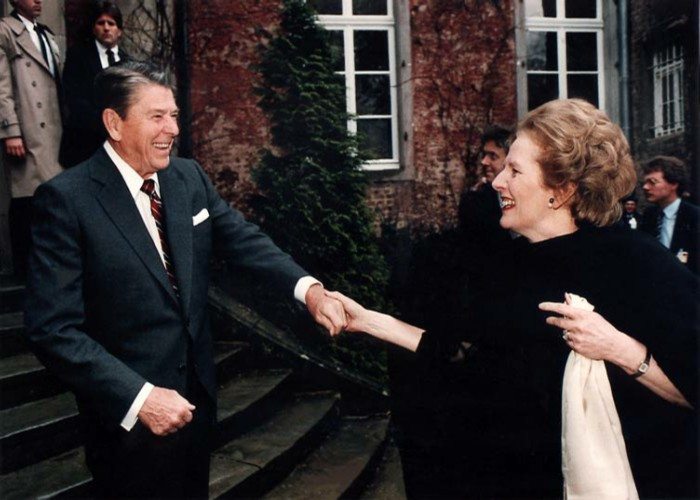
Could Trump and May be the new Reagan and Thatcher?
I guess I’m an optimist and, in a world of pessimism, it’s an interesting place to be. I say a world of pessimism as all I’ve seen since the Brexit vote and Donald Trump being President-elect is negativity. A constant stream of we are screwed appears in my Facebook feed, and everyone seems to think…
The best FinTech podcasts out there and 10 FinTech trends for 2017
Anna Jacobson recently wrote a nice update, highlighting the best FinTech podcasts out there, including: Brett King’s Breaking Banks podcast looks at the ‘best of the best’ in the emerging FinTech sector and documents how the loss of trust, rapid consumer behavior shifts, massive technological changes, and increasing government scrutiny are disrupting the banking industry. I’m a regular co-host…
5 Banking Tech Trends for 2017
I kept Tuesday’s blog entry short because I knew that everyone was making predictions and writing much more in-depth pieces. Today’s guest blog entry is from Finanser friend David Horton. David wrote a great piece on LinkedIn over the holidays providing his five banking technology predictions for 2017 and has kindly allowed me to replicate it here….

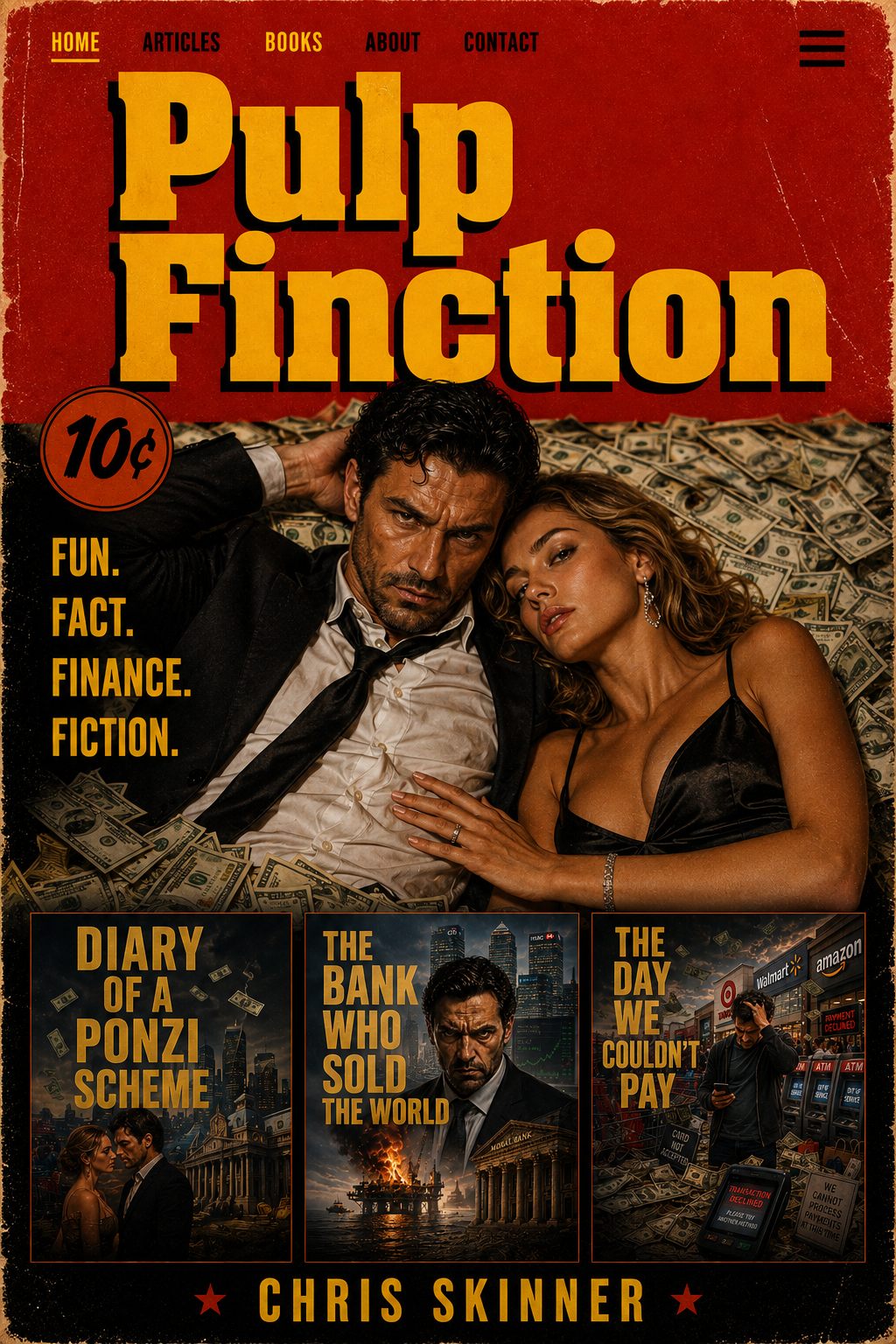
Diary of a Ponzi Scheme by Chris Skinner - book review with Julia Streets & Wasim Mushtaq
Top FinTech Founders of 2026
2026 Newsletter of the Year

Chris Skinner Keynote, April 2025, Europe
Intelligent Money: Our Future Is Where We Do Not Think About Money, As Our Money Thinks For Us
What is the future?

Learn more about Chris
The Past, Present And Future Of Banking, Finance And Technology
Fintech expert Chris Skinner: countries need digital transformation to remain competitive
Join me on Linkedin

Follow Me on X!

Hire Chris Skinner for dinners, workshops and more
Chris’s latest book
Chris Skinner’s ‘Intelligent Money’ Book Launch Event
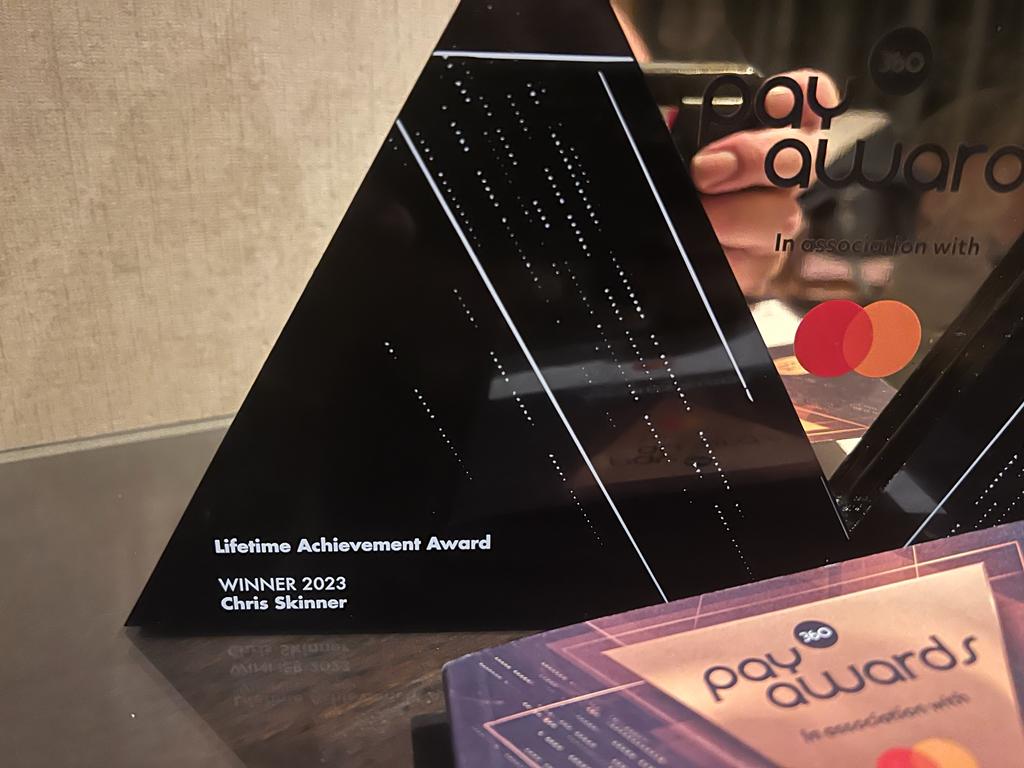
Lifetime Achievement Award
Kids creating the future bank | TEDxAthens
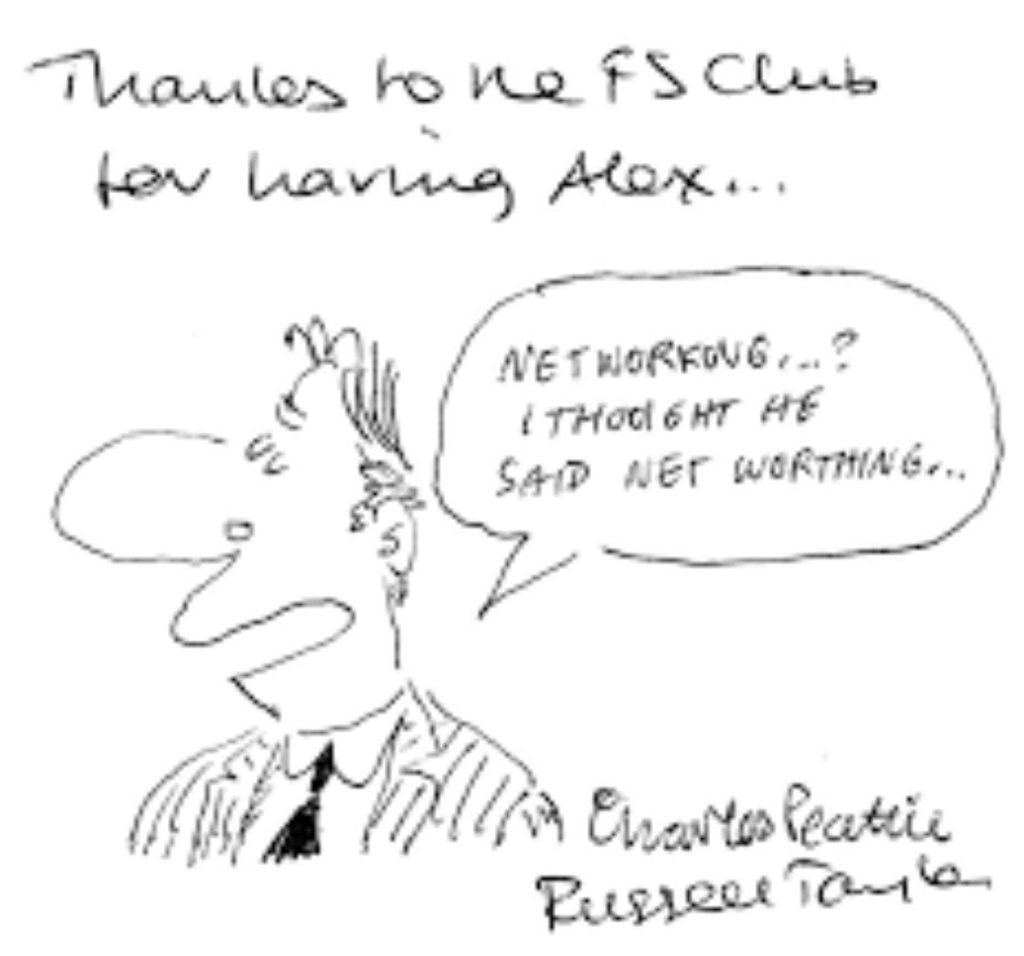
Alex at the Financial Services
Gaping Void's Hugh MacLeod worked with the Finanser