Too Digital to Fail (Part Four)
Digital money doesn’t have a passport. For millenia, money has been organised around geography. The dollar belongs to America, sterling to Britain, the euro to Europe and the yen to Japan. Banks are licensed nationally, central banks provide national monetary anchors, governments guarantee deposits nationally and regulators supervise institutions largely through national legal frameworks. Digital…
CLARITY versus CONFUSION
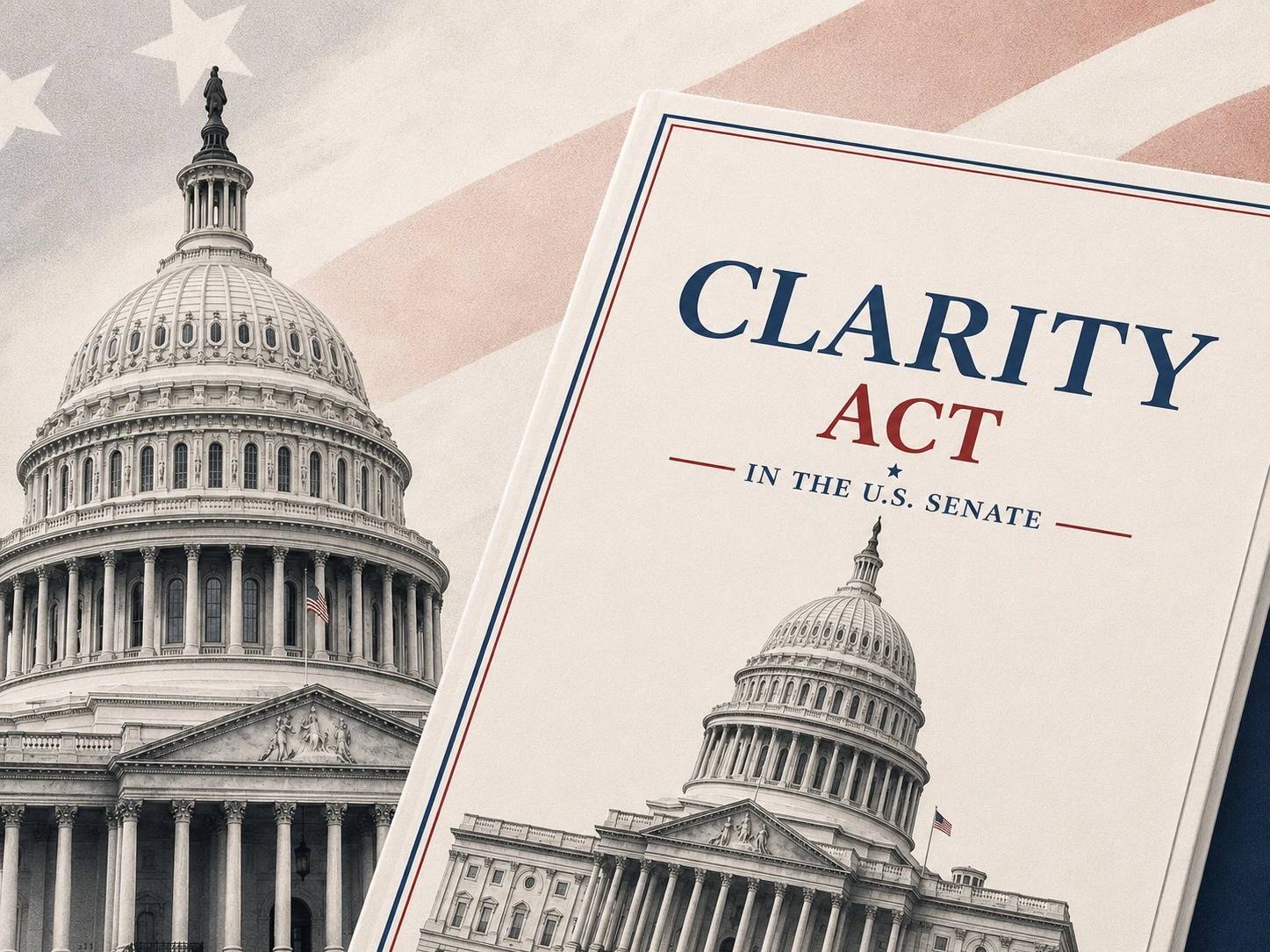
I’ve recently written quite a bit about the GENIUS Act, the GRANITE Act and the CLARITY Act in the United States. Well, yesterday was the crucial day as the CLARITY Act moved through the Senate or, rather, it didn’t. The USA has spent years arguing that cryptocurrency needs regulatory clarity and the Digital Asset Market…
Trump made billions from crypto and now he has to sell it
I’ve written a lot about the Crypto President and the friction between the Trump administration’s legislation ranging from the GENIUS Act to GRANITE to CLARITY and you really could not make this stuff up. Will Donald Trump be the Crypto President? America is creating a war with Europe over digital money Donald Trump, the President…
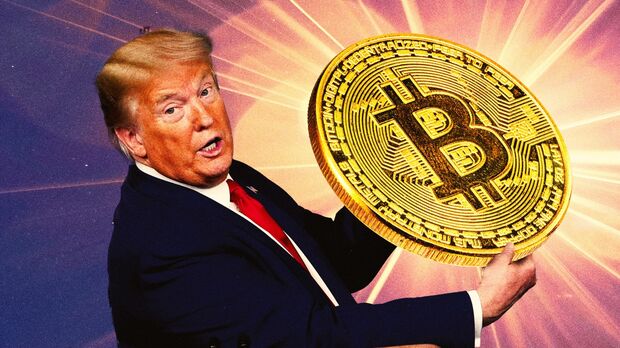
Crypto isn’t a scam … people are
There is a problem with the way we talk about cryptocurrency. Every time there is a major fraud, hack, Ponzi scheme or spectacular collapse involving crypto, the headlines quickly become another indictment of cryptocurrency itself: crypto is a scam; bitcoin is for criminals; digital currencies are dangerous … the whole thing should be shut down….
You say you want a Revolution … well, you got one
Three months ago, I wrote a short piece about Revolut but, since then, there has been an extraordinary amount of Revolut news: a banking licence in France; full banking status in Britain; conditional approval for a US national bank; a banking licence in Australia; banking operations in Mexico; expansion into Finland; licences in the UAE;…

The Official Launch of Pulp Finction
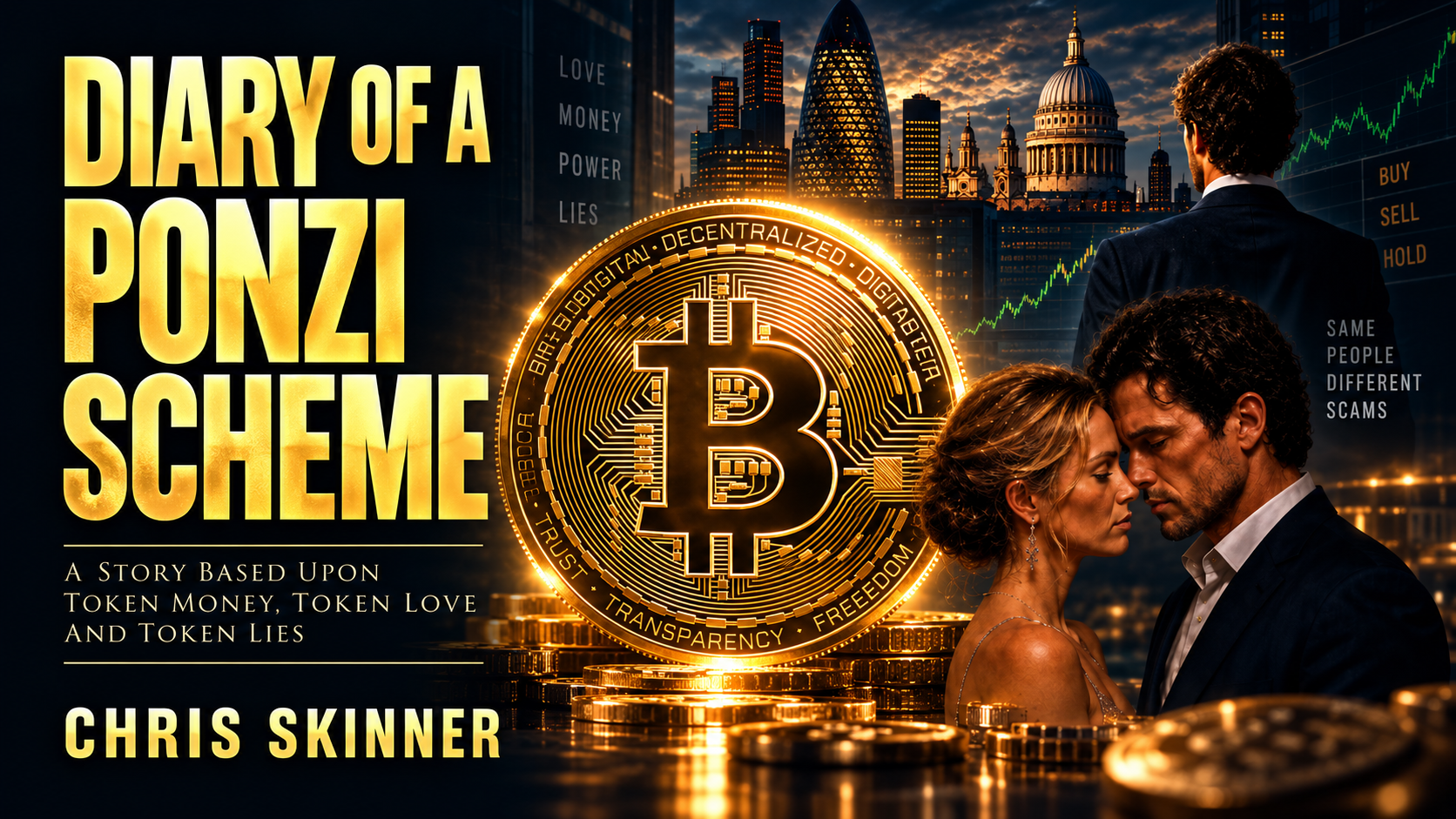
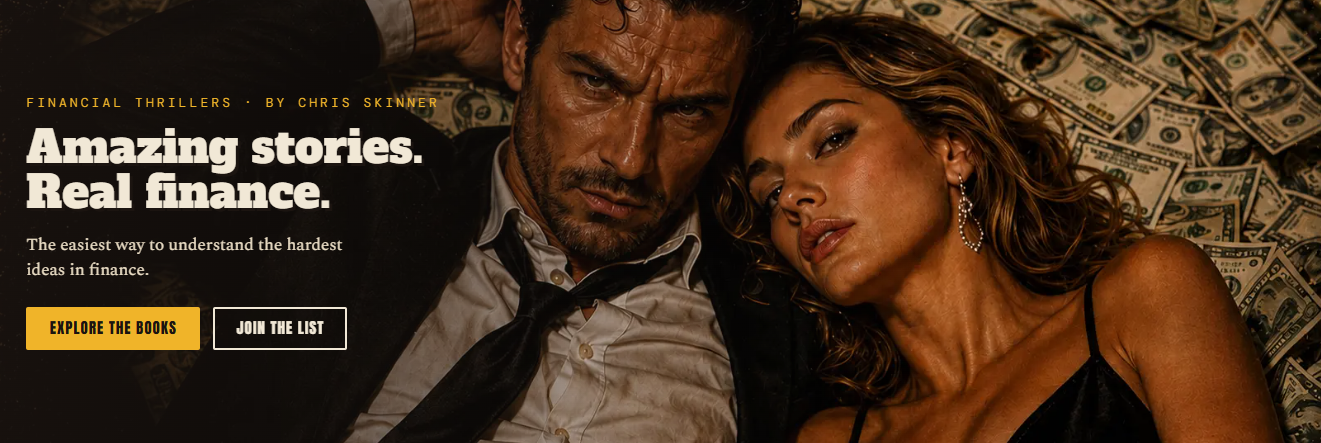
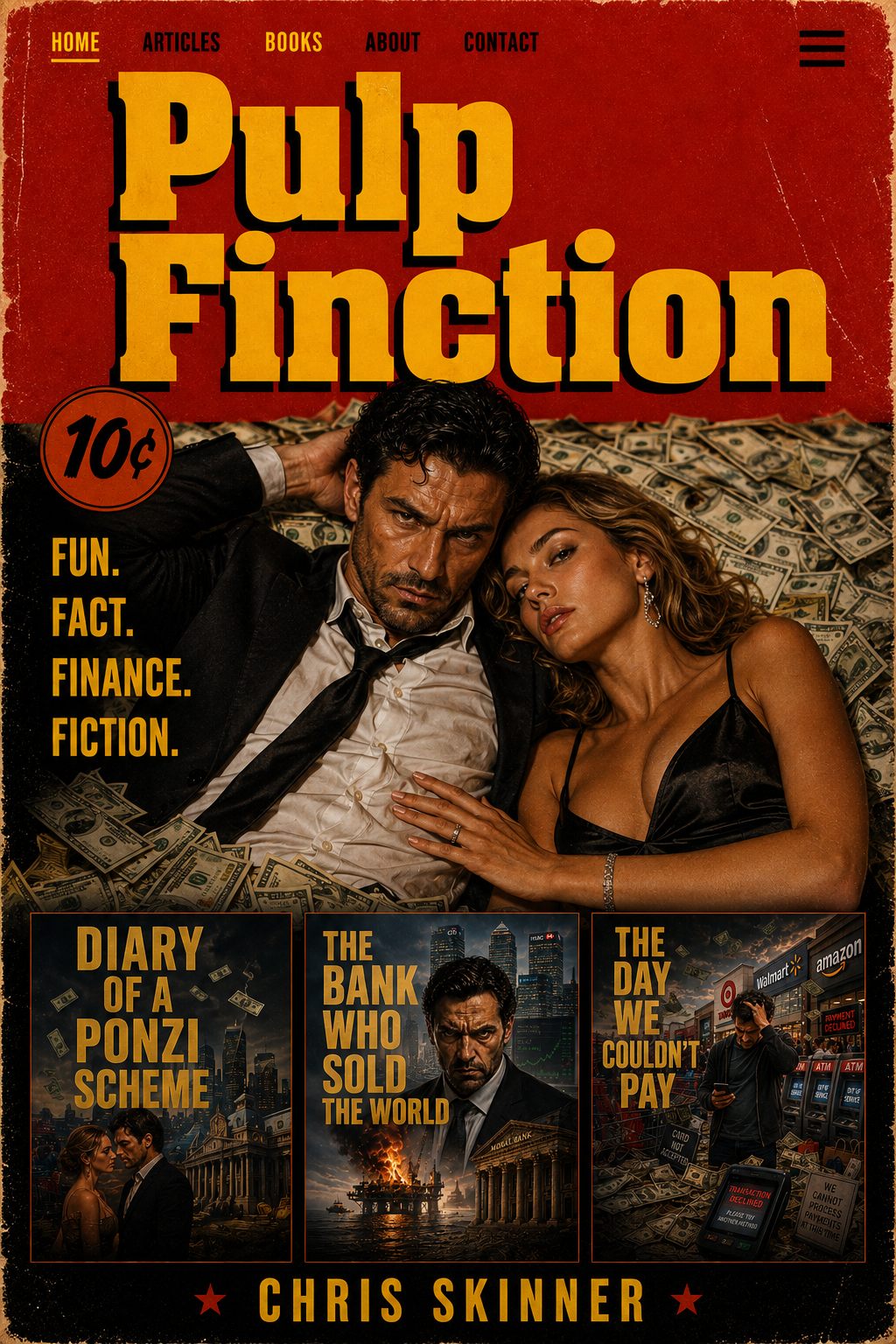
Over the past year, I’ve been doing something slightly different. I’ve been writing fiction. Not just fiction, but Pulp Finction. The idea behind Pulp Finction is simple: Fun. Fact. Finance. Fiction. Keep track of the full series here: https://www.amazon.com/dp/B0HG6DP7C4 and here: https://pulpfinction.com/ I’ve spent most of my life writing and talking about banking, money, technology…
Do we need a digital euro?
The European Central Bank is moving the digital euro from policy discussion towards implementation. Its latest Digital Euro Scheme Rulebook goes deep into how the system would work, covering everything from customer journeys and APIs to merchant acceptance, fraud, disputes, settlement, security and certification. What is emerging looks less like another CBDC experiment and more…

Are Donald Trump’s actions good or bad for cryptocurrencies?
There was a time when Donald Trump was not particularly keen on cryptocurrencies. In 2019, he declared that he was “not a fan” of Bitcoin and other cryptocurrencies, arguing that they were highly volatile, based on thin air and potentially useful for unlawful activity. How things change. Today, President Trump is arguably the most important…
The strange story of marmots and crypto
Ten years ago on twitter, I kept getting messages from a guy called Preston Byrne about marmots. Marmots are basically the biggest squirrel in the world. Americans also call them woodchucks, although a woodchuck is a specific type of marmot, meaning all woodchucks are marmots, but not all marmots are woodchucks. They are most populous…

Diary of a Ponzi Scheme by Chris Skinner - book review with Julia Streets & Wasim Mushtaq
Top FinTech Founders of 2026

2026 Newsletter of the Year


Chris Skinner Keynote, April 2025, Europe
Intelligent Money: Our Future Is Where We Do Not Think About Money, As Our Money Thinks For Us
What is the future?

Learn more about Chris
The Past, Present And Future Of Banking, Finance And Technology
Fintech expert Chris Skinner: countries need digital transformation to remain competitive
Join me on Linkedin

Follow Me on X!

Hire Chris Skinner for dinners, workshops and more

Chris’s latest book
Chris Skinner’s ‘Intelligent Money’ Book Launch Event
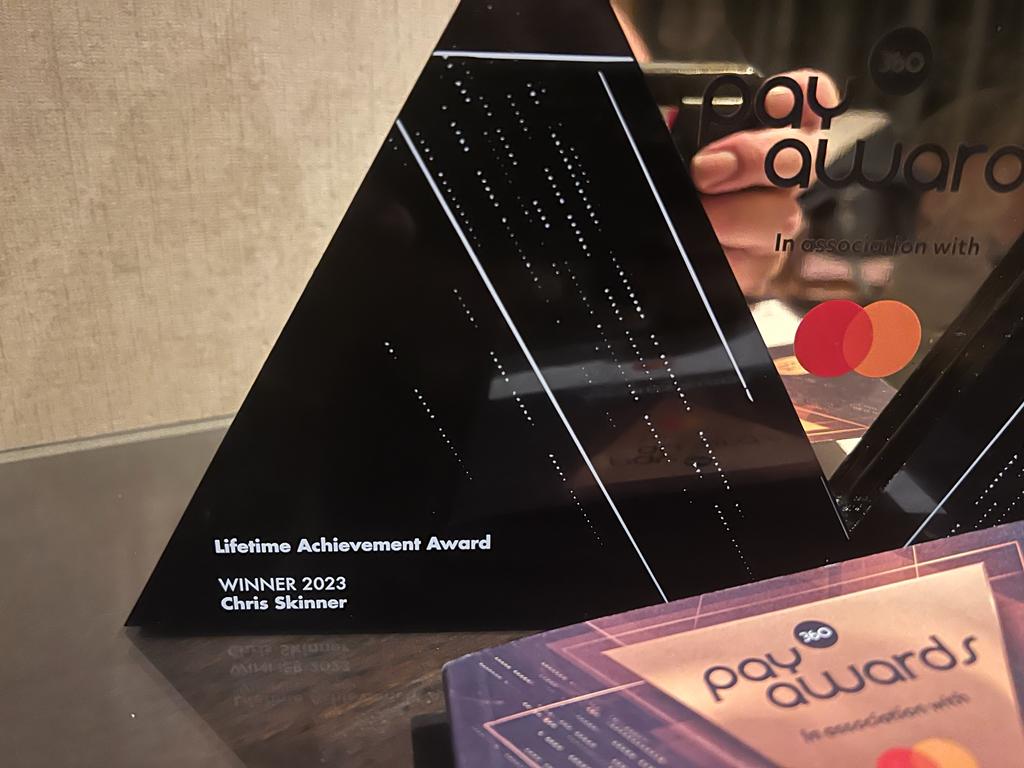
Lifetime Achievement Award
Kids creating the future bank | TEDxAthens
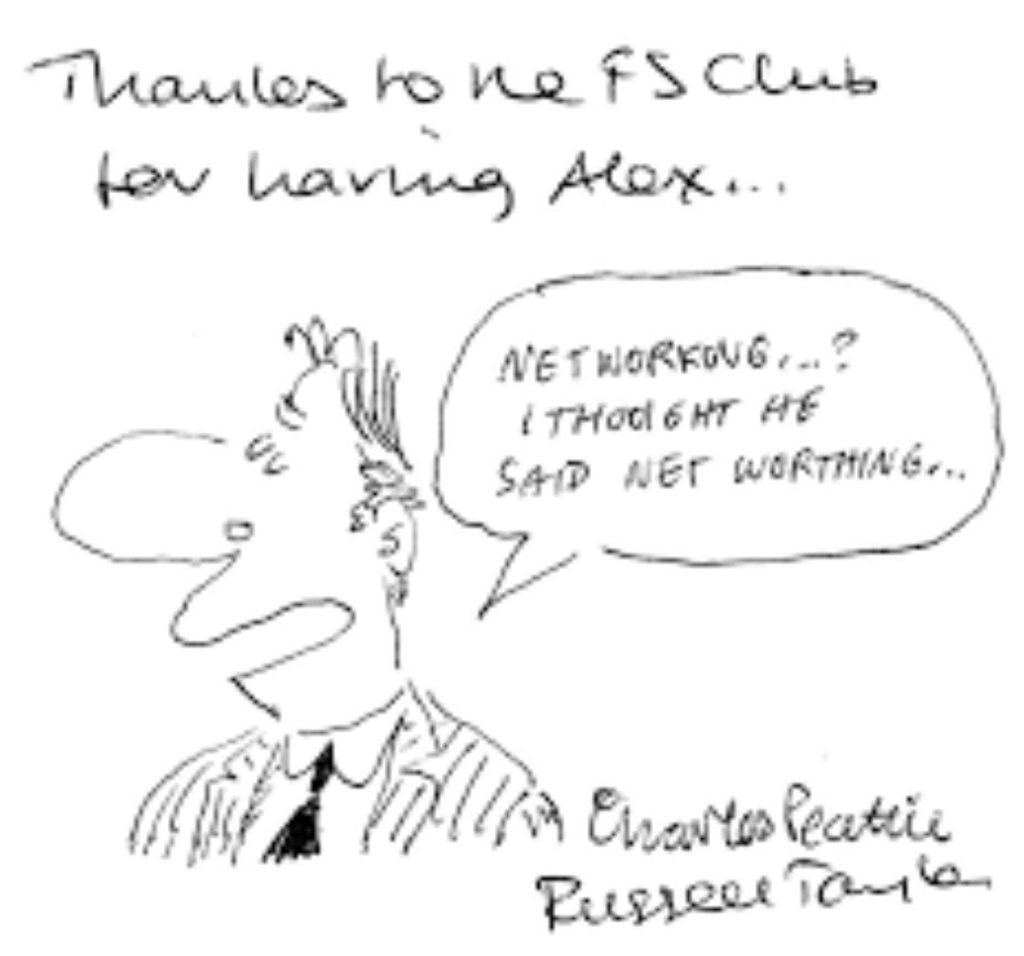
Alex at the Financial Services
Gaping Void's Hugh MacLeod worked with the Finanser